Public Use | Kelo

It hardly seems like two decades-plus have passed. After all, it was a mere 10 years ago we were lamenting “Kelo At 10: Still Stinks, And A Decade Has Not Lessened The Odor.” But yes, it was 21 years ago today … the U.S. Supreme Court, by the thinnest of margins, held in Kelo v. City of New London, 545 U.S. 469 (June 23, 2005) that there’s nothing inherently suspect about “economic development” takings to justify a higher level of judicial scrutiny than the judges-as-poodles standard of review applied in Public Use challenges to takings for every other reason
Continue Reading Kelo Hits 21 (And Gets Worse With Age)

We like seeing student-authored pieces in our areas of interest, especially those where the subject is eminent domain. Here’s another example. In “Public Use on the Loose: Clarifying the Takings Clause’s Public Use Requirement,” author Megan Hoefs focuses on the pretext argument, arguing that the Public Use Clause imposes a good faith requirement.
Continue Reading New Note On Good Faith In Eminent Domain: “Public Use on the Loose: Clarifying the Takings Clause’s Public Use Requirement,” 53 Pepperdine L. Rev. 729 (Megan Hoefs)

Be sure to check out this student note which criticizes the Second Circuit’s approach to pretextual takings in Brinkmann v. Town of Southold, 96 F.4th 209 (2d Cir. 2024), and offers a different way to analyze cases in which the government’s stated public use doesn’t appear to be its actual use or purpose for exercising eminent domain.
Continue Reading New Must-Read Article: Anna Fein, Pants on Fire: How the Brinkmann Majority Forgot About the Takings Clause in a Takings Clause Case, 99 S. Cal. L. Rev. 405 (2025)

If you are a plaintiff, you may rightly predict that if an opinion begins with the words, “[r]oughly two decades ago…” there’s a good chance you aren’t going to like the outcome. Courts tend to not like cases that are based on facts that occured 20+ years ago, after all. But that’s how the U.S. Court of Appeal for the Fourth Circuit’s opinion in Poppleton Now Community Ass’n LLC v. La Cite Development, LLC, No. 25-1770 (May 4, 2026) begins. Yet perhaps surprisingly, the court’s ruling against the plaintiffs is not based on the statute of limitations or some other defense keyed to the passage of time. Or any other procedural defense. Indeed, the court reversed district court’s judgment which had dismissed the complaint because the plaintiffs lacked standing.
Continue Reading CA4: Neighbors Can’t Challenge Failed Redevelopment That Resulted Only in “Vacant And Neglected” Property Next Door

In Garrett v. Sandersville R.R., No. A26A0274 (Apr. 15, 2026), the Georgia Court of Appeals affirmed the state’s Public Service Commission’s approval of the railroad’s use of eminent domain to take property for a connector to the main rail line. The court concluded that the taking qualified as a “public use” as that term is defined in Georgia’s eminent domain statute. Although there may be some private benefits, and the spur line may not actually be used by the public, what matters is that the line is available for the public’s use.
Continue Reading Georgia App: We’re Mere Judges Who Must Defer To The PUC On Whether A Taking Is For Public Use

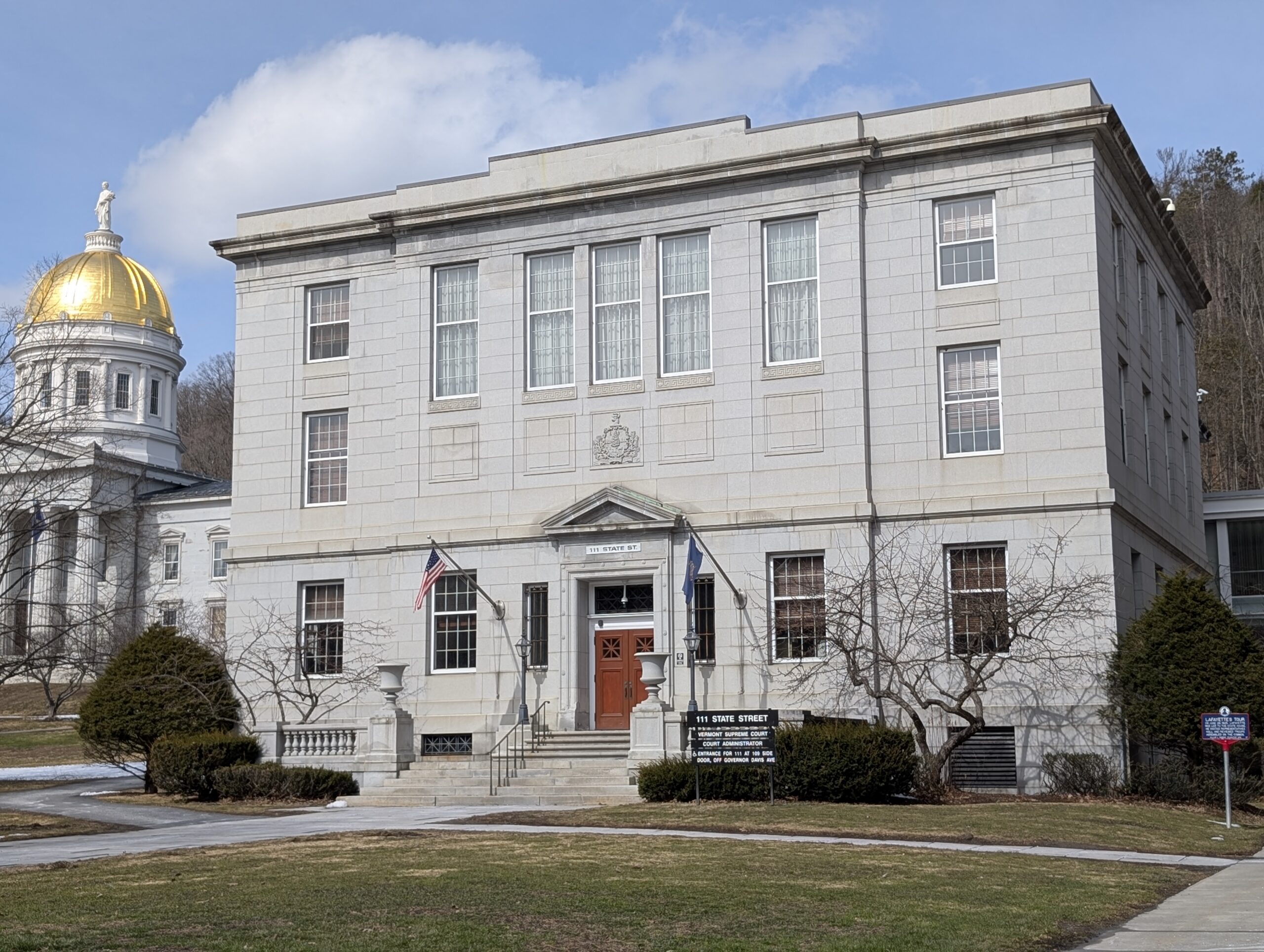
We’ve been holding on to this eminent domain necessity decision from the Vermont Supreme Court because we were scheduled to pay a visit to the Green Mountain State (more on that in a subsequent post), and we wanted to include some photos (photos are always good in an otherwise dry law blog post). Mongeon Bay Properties, LLC v. Town of Colchester, No. 25-AP-125 (Jan. 23, 2026), is an eminent domain case where the Town tried to condemn the property (shown above) which is part of a larger unsubdivided parcel owned by Mongeon on the shore of Malletts Bay (part of Lake Champlain). The court invalidated the taking, holding that the Town failed to prove the statutory elements of necessity.
Continue Reading Vermont And The Bare Necessities: Taking Was Unnecessary Because Town Didn’t Bother To Meet Statutory Requirements

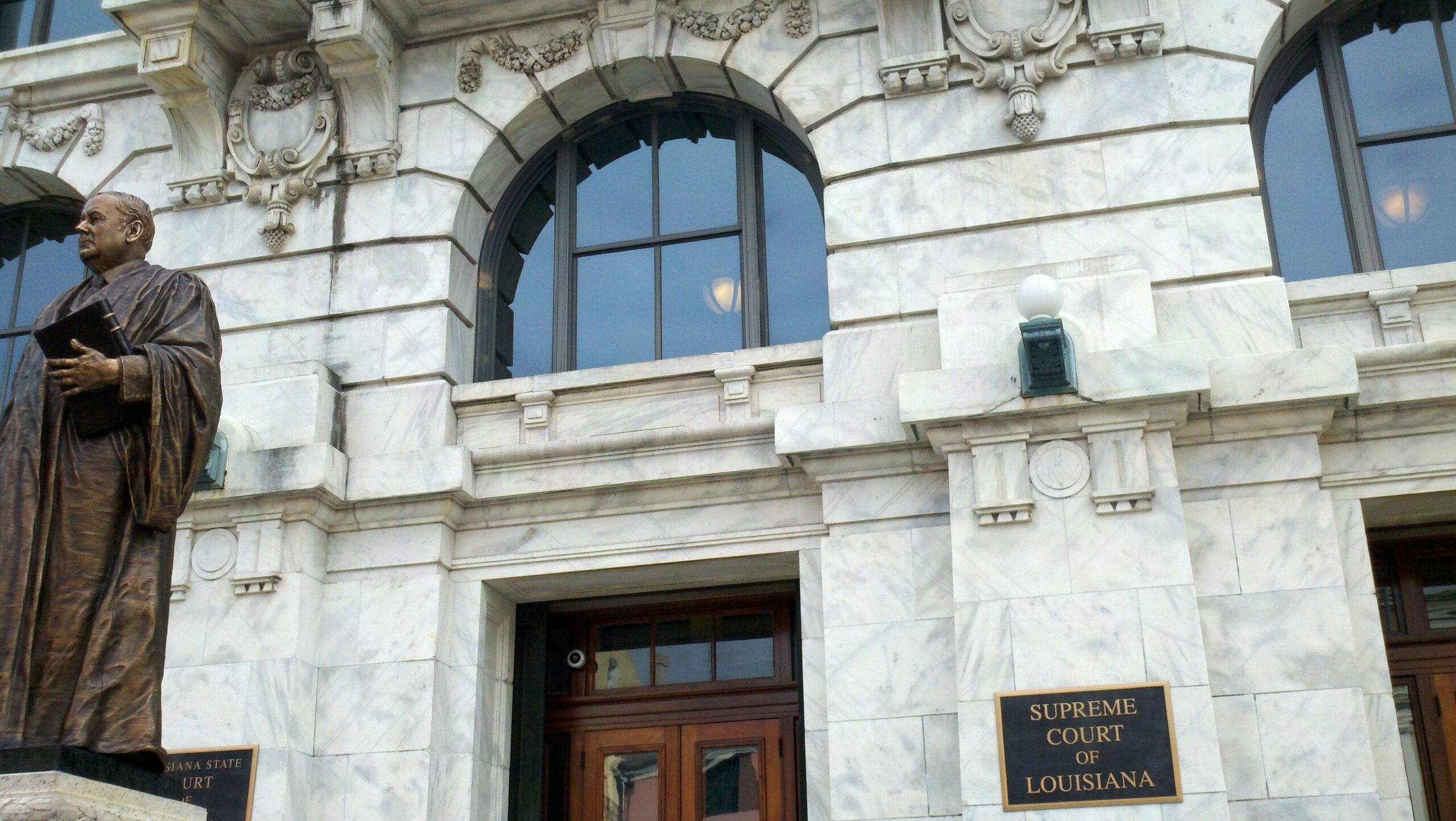
In Plaquemines Port Harbor & Terminal District v. Nguyen, No 2025-C-00827 (Mar. 6, 2026), the Louisiana Supreme Court invalidated a quick take by the Port of a vacant 29-acre parcel, because the property was to be leased to “a private company for its exclusive development and use.” Slip op. at 1. [Disclosure: our shop filed an amicus brief, so we had a dog in the hunt.]
Continue Reading Post-Kelo Amendments To Louisiana Constitution Prohibit Taking To Lease To Private Company For Its Own Use (Even If The Fifth Amendment Might Allow It)

Here’s what’s on our radar screen today: Anthony Flint, How Zoning Won (Bloomberg) (“In 1926, the Supreme Court’s Euclid decision enshrined zoning in US cities. On its 100th anniversary, academics gathered to reflect on the landmark ruling’s mixed legacy.”)
Continue Reading Today’s Dirt Law Round-Up: Zoning, Public Use, and Penn Central History

We were all set to offer our deep thoughts about the recently-published opinion of the California Court of Appeal in Mendocino Railway v. Meyer, No. A168497 (Jam. 7, 2026), which held that the Skunk Train (a “train to nowhere” that carries tourists up in California’s redwood country) is a “common carrier” with the power

No better way to start 2026 than to check out the Yale Journal of Regulation‘s (the self-labeled “Nation’s Top-Ranked Administrative and Corporate Law Journal”), for its symposium on the twentieth anniversary of the Kelo case.

Featuring authors who readers of this blog will recognize (all the big names), the symposium features articles you