Inverse condemnation

The “Flint water crisis,” which, as the opinion of the Michigan Court of Appeals in Gulla v. State of Michigan, No. 340017 (Jan. 24, 2019), noted, is “the contamination of
plaintiffs’ water supply and their exposure to toxic and hazardous substances,” is all over the front pages. Which means it also spawned lawsuits.

The
With the opinion in the Knick v. Township of Scott case to drop as soon as Tuesday (we’re guessing the opinion will be by Chief Justice Roberts, by the way), hold on. We’re about to get super nerdy here. Impossibly nerdy. Yes, we’re revisiting the Star Trek analogies. We’ve been down this road before

Psweather

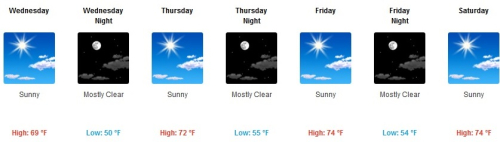
If you didn’t register to attend the 36th Annual ALI-CLE Eminent Domain and Land Valuation Litigation Conference later this week in Palm Springs, California, well then, shame on you!

According to the National Weather Service, while you and the rest of the country is freezing, we’ll be enjoying the balmy desert climes, and discussing

Pay special attention to Justice Breyer’s questioning of Ms. Knick’s counsel, Dave Breemer. Yes, oral argument is the Court’s time to do with as it wishes, but was Justice Breyer actually trying to get at anything, or just running out the clock with a questions that didn’t seem to have any point. Does he really

There’s been a lot written after the Supreme Court heard (re)arguments earlier this week in Knick v. Township of Scott, No. 17-647, most of it helpful in understanding what issues the Justices are considering, and how each of them might break on the ultimate question: should Williamson County be overruled, and should property owners

CERTDENIED

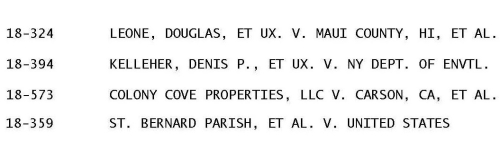
In case you have been following along, you can take these four cases off your watch list:

  • Leone: Hawaii Supreme Court concluded that holding property that has no present use in the hope that someday in the future the government might rescind the use-restrictive regulation, is “investment use,” and therefore no taking. 
  • Kelleher:

0116190650b_HDR

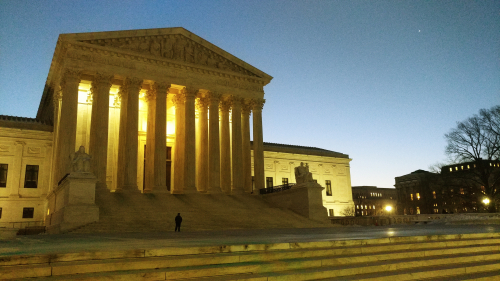
As Professor Gideon Kanner likes to remind us, eminent domain has been characterized as “the dark corner of the law.” We thought back to that phrase when we joined the queue outside of the Supreme Court this very dark (and very cold) morning, for the rehearing in the Knick v. Township of Scott case

It wasn’t going to be too hard to figure out what the U.S. Court of Appeals for the Sixth Circuit was going to do in Lumbard v. City of Ann Arbor, No. 18-1258 (Jan. 10, 2018). After all, the case involved a federal takings claim in federal court, which the district court dismissed because