Land use law

Worth subscribing: a newer (the archives go back to this post, late 2025) from lawprof Stephen R. Miller, named “Euclid Land.” The title should give you a hint about what the topic is, “a conversation about land use reform with law professor, urban planner, and author Stephen R. Miller.”
Continue Reading New(ish) Substack: “Euclid Land” (Prof. Stephen Miller)

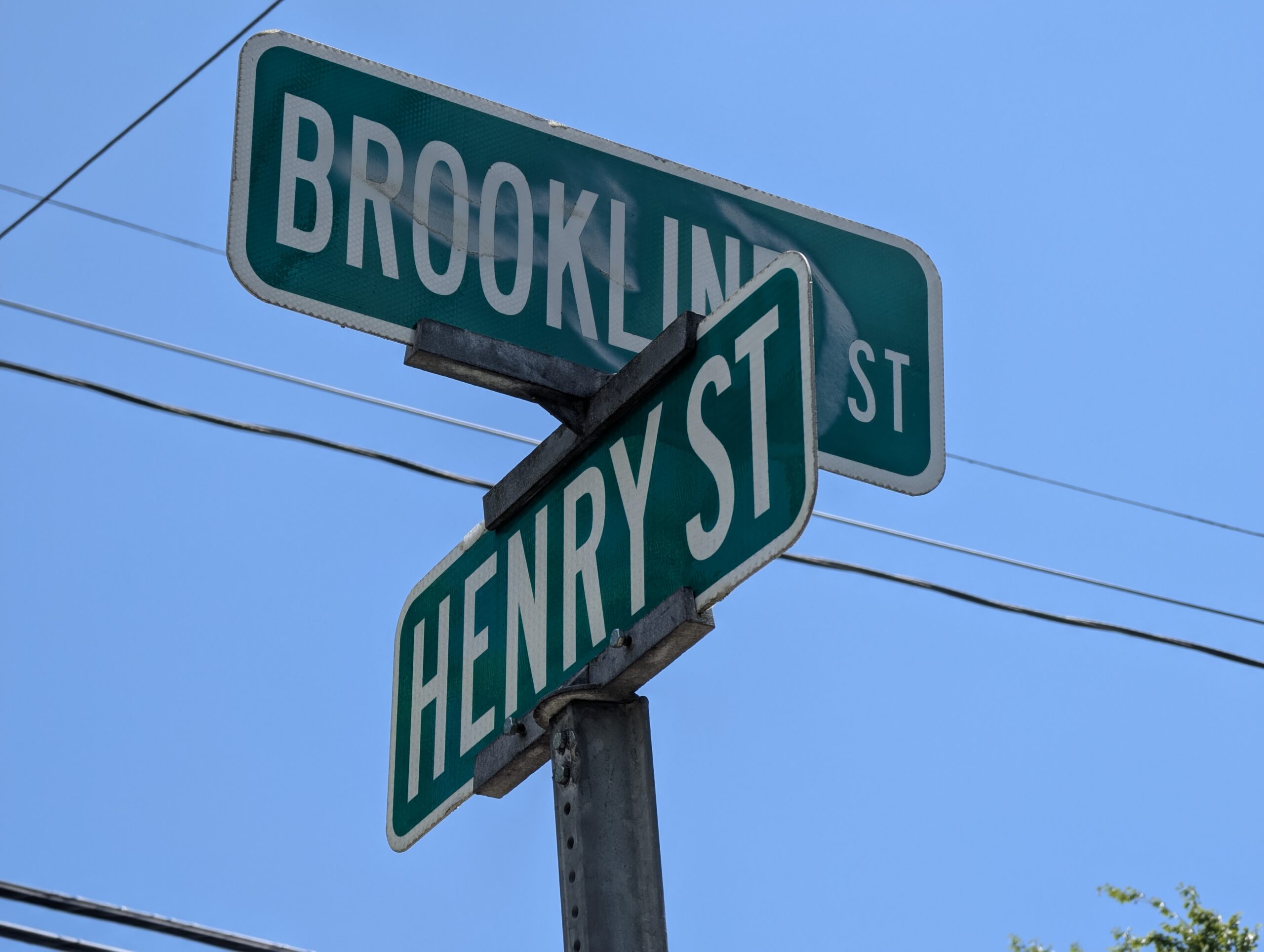
Here’s the latest in our continuing series of dirt law pilgrimages, where we visit the site of some of the more important cases in our favorite area of law. As every dirt lawyer knows, you can see photos, read descriptions, and study plat maps. But when it comes to understanding about the property at issue, nothing substitutes for getting your shoes in the dirt on-site, seeing the area for yourself, smelling the air. Walking the earth.
Continue Reading Property Pilgrimage: Nectow v. City of Cambridge (1928)

It was on this day in 1928 when the U.S. Supreme Court issued its second most famous decision about zoning, Nectow v. City of Cambridge, 277 U.S. 183 (1928). We say “second” because everyone knows that the first is the Court’s decision issued just two years earlier which generally upheld comprehensive use, height, and density regulations as a valid exercise of the government’s police power to regulate property uses to further the public health, safety, welfare, or morals. See Village of Euclid v. Ambler Realty Co., 272 U S. 365 (1926).
Continue Reading You Don’t Look A Day Over 98, Nectow v. City of Cambridge

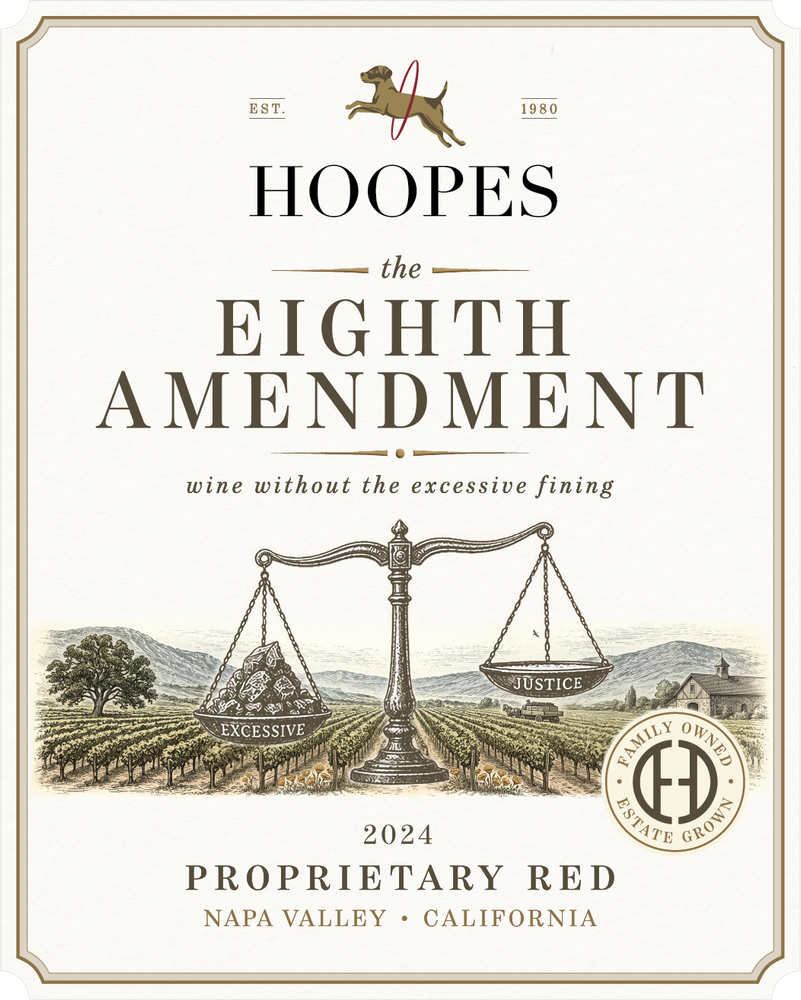
Worth checking out: in the vein of our old favorite Eminent Domaine, a Napa Valley winery is offering for preorder its “Eighth Amendment” wine.

What’s the deal with the name? We all know the U.S. Constitution’s Eighth Amendment, which prohibits the imposition of excessive fines.
Continue Reading Eighth Amendment Proprietary: Wine Without the Excessive Fining

Here’s a cert petition that asks whether a local government (here, the granola-swanky Marin County, California) as a condition of approving a building permit may require a property owner to restrict uses of the land to commercial agriculture, and bind all future owners of the property as well. Because this is one of ours, we won’t be going into great detail but will instead leave it to you, starting with the Questions Presented.
Continue Reading New Cert Petition: Can You Be Forced To Be A Farmer Under The Police Power?

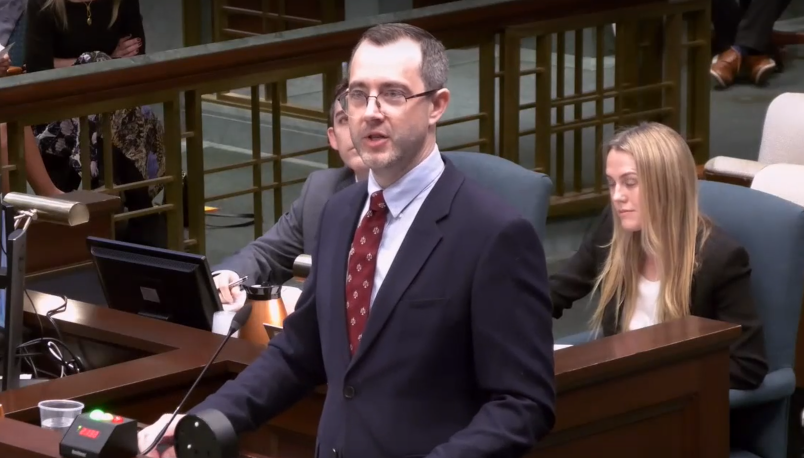
In an historic win for property owners in California, in Shear Dev. Co., LLC v. California Coastal Comm’n, No. S2284378 (Apr. 23, 2026), the unanimous California Supreme Court held that the Coastal Commission–which we can say without exaggeration is the most unaccountable and out-of-control agency in the nation–overstepped its authority when it purported to override a municipal government’s approval of a building permit. [Barista’s note: our firm represents the prevailing property owner in the case, and the head of our Coastal Property Rights group, Jeremy Talcott is lead counsel.]
Continue Reading California Supreme Court Reins In The Most Unaccountable Agency In The Nation, The California Coastal Commission

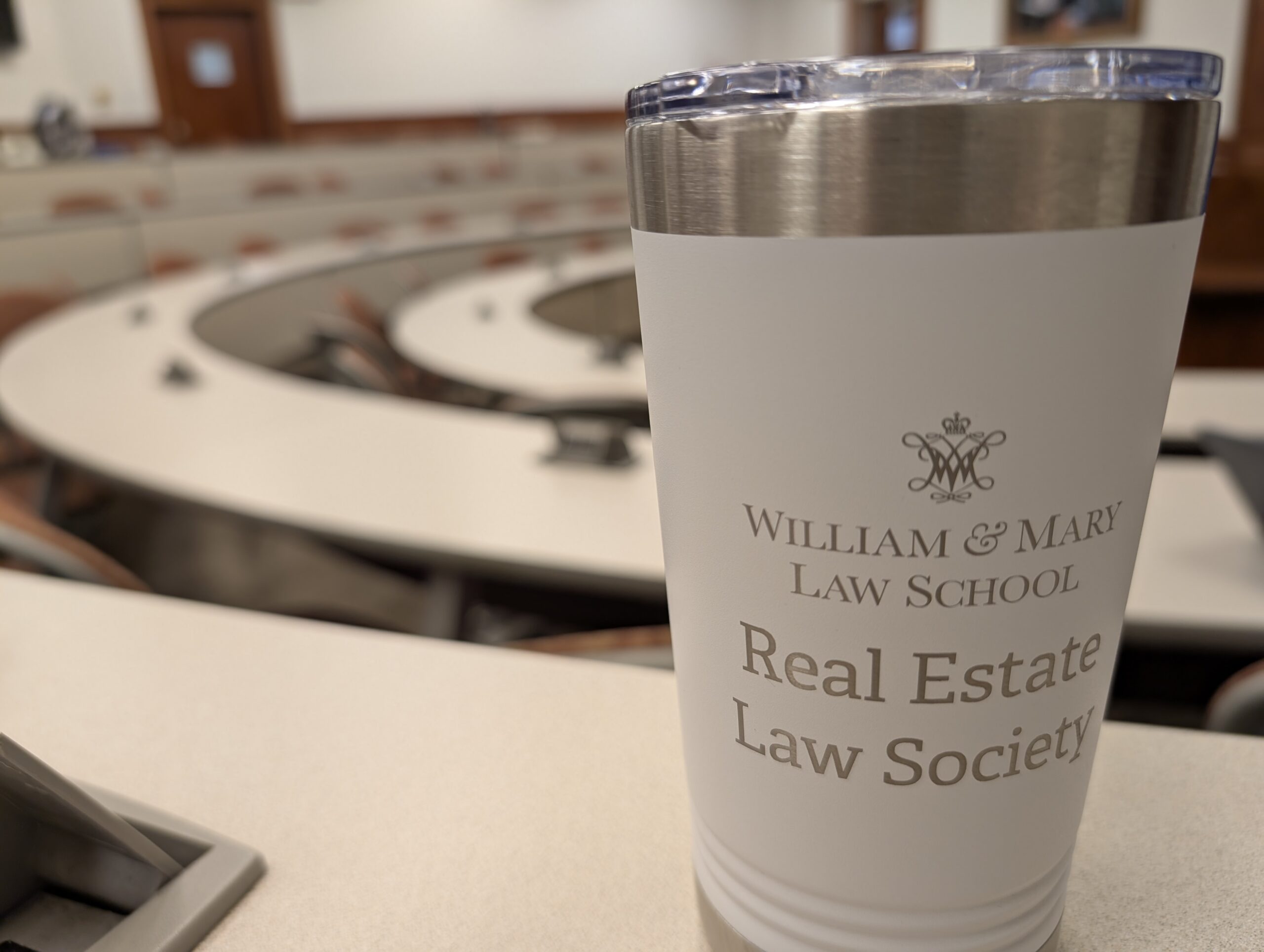
Yesterday (yes, April Fool’s Day), we returned to William and Mary Law School to help the student-run Real Estate Law Society wrap up its event year. The putative title of our talk was “Hot Topics in Property Law”, but we covered a wider range, including Dirt Law issues to be on the lookout for at the Supreme Court, a century of zoning, career paths in property law (litigation, transactional, academic, for example, and what the hiring market looks like), and some general musings.
Continue Reading William & Mary Law School’s Real Estate Law Society

Here’s a case we’ve been following (esp. because our firm is counsel for the two intervenors). In Montanans Against Irresponsible Densification, LLC v. Montana, No. DA 25-0200 (Mar. 17, 2026), the Montana Supreme Court upheld the “Montana miracle” housing and zoning reform statute against an equal protection challenge. This case is important not only because it upholds loosening of restrictions on housing development and private property rights, but because it also confirms the freedom of contract, and recognizes that private owner remain free to control the use of their own property in the best manner they see fit.
Continue Reading YIMBY v NIMBY In Montana Supreme Court: “housing reform statutes do not violate the right to equal protection solely because the law treats people not subject to private covenants differently.”

Next week, we’ll be at the Denver Law School for the 2026 Rocky Mountain Land Use Institute’s “Western Places | Western Spaces” annual conference. Earlier in our career, we were a fairly regular attendee, but for mesne reasons (unrelated to the conference) our ability to attend kind of fell off. Recognizing that shortcoming, we attended the 2025 Conference last year. This convinced us that indeed, we were missing out. In short, the RMULI has returned as a featured event on our calendar.
Continue Reading Join Us At The Rocky Mountain Land Use Institute (Denver) To Talk Sheetz, And Housing

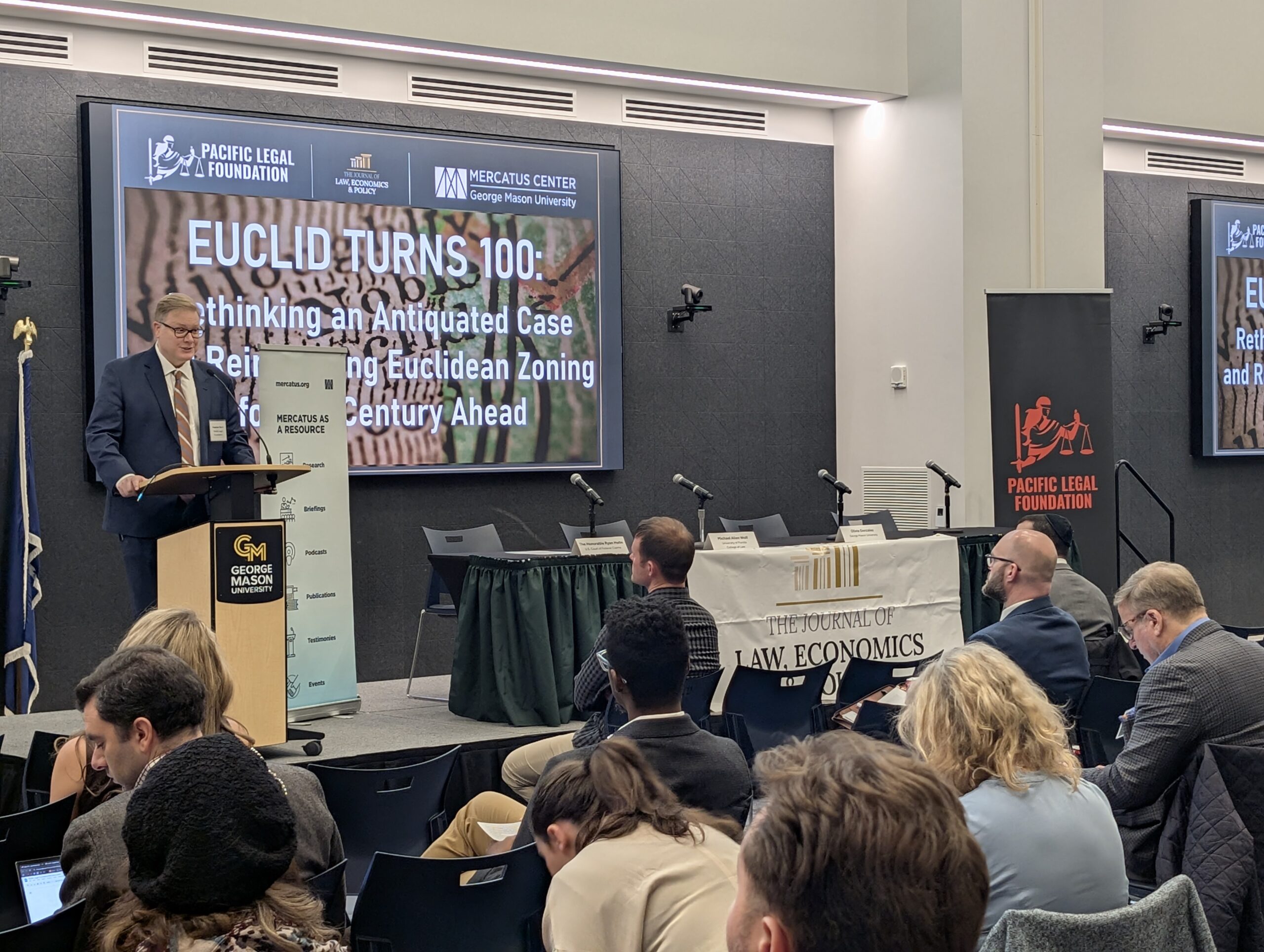
Pictured: PLF’s Steve Davis, getting us started. We’re underway today with the academic symposium “Euclid Turns 100: Rethinking an Antiquated Case and Reimagining Euclidean Zoning for the Century Ahead” at the George Mason Law School. Cosponsored by the law school’s Journal of Law, Economics, and Policy, Mercatus Center, and our outfit Pacific Legal Foundation, the symposium is designed to focus the discussion of housing, zoning, and property rights (hot topics in the headlines), and ask the question: has Euclidean zoning outlived its usefulness? And if so, what, if anything, should replace it?
Continue Reading Symposium: “Euclid Turns 100: Rethinking an Antiquated Case and Reimagining Euclidean Zoning for the Century Ahead”