Inverse condemnation

We’ve posted a lot of complaints lately (the lawsuit kind, not the “can I see the manager” kind), mostly coronavirus-related. All involving in one way or another a takings claim. See here, here, here, here, here, here, here, here, here, here, here, here and

A long opinion, but a short post. In Stanford Vina Ranch Irrigation Co. v. California, No. C085762 (June 18, 2020), the California Court of Appeal held that water rights are not really property rights.

That’s a bit of an overstatement, of course. But not a huge one.

In an inverse condemnation case, the court

A new, must-add-to-your-reading-list article from takings and expropriations law scholar Professor Shai Stern.

In “Pandemic Takings: Compensating for Public Health Emergency Regulation,” Professor Stern dives into a question a lot of us have been pondering lately, namely whether the pandemic-related shutdown orders might trigger the Just Compensation imperative in the Fifth Amendment’s

It’s been a long week, and it’s Friday with a filing coming up. So we’re not going to spend a lot of time digesting the Federal Circuit’s opinion in Alford v. United States, No 19-1678 (June 19, 2020). Plus, it is a short one (11 pages) that makes one major point.

Short story: after

104481738_2170057539806372_2938554143515873721_nphoto: Patricia Salkin

Just published: the 2020 Zoning and Planning Law Handbook (Green Book). The first section of the Summary of Contents is about Takings, and includes as the lead piece Professor Gideon Kanner and Michael Berger’s tour-de-force article, “The Nasty, Brutish, and Short Life of Agins v. City of Tiburon.” It also includes

One more to add to your reading queue. The latest complaint alleges, among other claims, that the Illinois governor’s coronavirus shut down orders for businesses deemed “non-essential” result in takings. 

The list of similar challenges keeps growing. See here, here, here, here, here, here, here, here,

MVIMG_20191108_125325

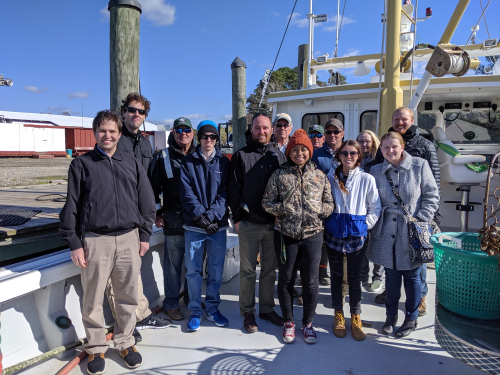
Here’s the latest in a case we’ve been following (we visited the site last November with our William and Mary class), the property owners’ Opening Brief in  a case being considered by the Virginia Supreme Court.

This is a case at the intersection of property and takings law, and environmental protection. Several Nansemond River oystermen

Here’s the latest complaint challenging coronavirus-related orders (in this case, the City of Los Angeles’ rent payment and eviction moratoria) as a taking.

More here from the LA Times: “Landlord group sues city of L.A. over coronavirus anti-eviction protections.”

You should probably read the entire document, as it is drafted well. But

0fcc0c09-ff44-4f8c-bb01-c2455719ae6d

Next Wednesday, June 17, 2020, at 5:30pm Hawaii Time, we’ll be speaking for the King Kamehameha V Judiciary History Center about “Constitutional Law and States of Emergency: Lessons from the COVID-19 Pandemic.”

This is a one-hour program, open to the public, where we will take a dive into Hawaii’s emergency preparedness and

On one hand, the Colorado Supreme Court’s opinion in Forest View Co. v. Town of Monument, No.18SC793 (June 8, 2020), concluding that a restrictive covenant is not a property interest that the government needs to pay for conflicts with the decisions on similar facts from other jurisdictions (Kansas, for example). On the