Regulatory takings

Check out this story by JD Morris (“PG&E renews push to avoid strict liability for 2017, 2018 fires“) in the San Francisco Chronicle, about the recent (and ongoing) California wildfires, and the issue of what has been called the “unusual,” “unique,” and “so-called” doctrine of inverse condemnation in that state’s courts.

Registration underway, so come join us! Agenda full of hot topics in takings and appraisal law! The best national faculty! Renew friendships, and make new colleagues! And Nashville! 

Download the brochure and make your plans for January. (Don’t wait, we’ve sold out the past three years.)

Here’s a two-fer that covers very difficult and unsettled subjects in takings law: judicial takings and rent control. 

In this cert petition, New York property owners assert that the New York Court of Appeals (the state’s highest court for those of you who do not watch Law & Order (dun-dun)), took private

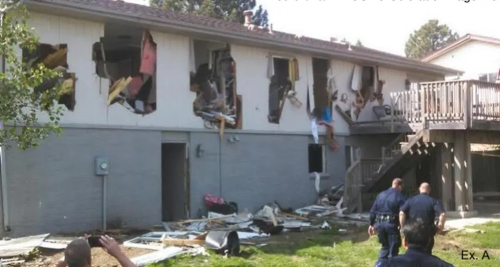
EXHIBIT A

We’re back again at that supposed distinction between the police power and the eminent domain power, which reminds us of that old tale about President Lyndon Johnson:

After reviewing a contingent of Viet Nam-bound Marines in California, Lyndon Johnson strode purposefully toward what he thought was his helicopter. “That’s your helicopter over there, sir,”

Update 10/25/2019: an astute and seasoned correspondent writes that the issue of whether a property owner must raise constitutional issues in the administrative proceedings was settled in a published opinion that involved the same agency, the California Coastal Commission. See Healing v. Cal. Coastal Comm’n (1994) 22 Cal. App. 4th 1158 (we put in in

Emoji_u1f4a9.svg

There’s nothing terribly novel in the Texas Court of Appeals’ opinion in City of Houston v. The Commons at Lake Houston, Ltd., No. 14-18-00664-CV (Oct. 15, 2019), but we highlight it here for a couple of reasons. 

First, the court’s holding that a regulatory takings claim was not ripe because the property owner