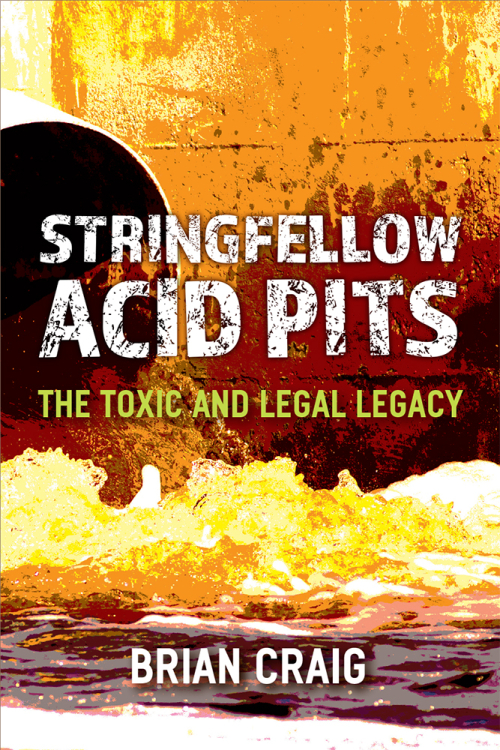
TEXT


TEXT

Here’s what we’re reading today as we enter a long weekend (who can tell?):
Our shut-in time has got us to thinking.
We’re all environmentalists now. This is the precautionary principle writ large. In a way, this is only part of a greater problem.
Welcome to the Twitterverse. We now have access to a vast amount of data — very often on a granular level — and this moves
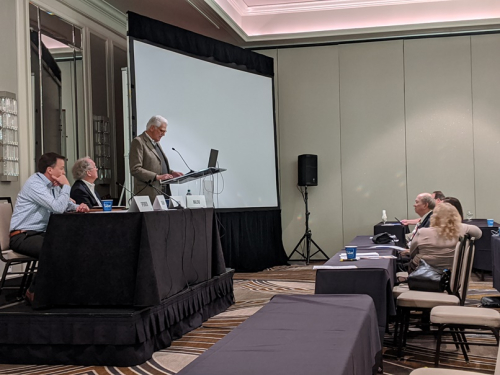
This is a post I wish I didn’t have to write. But I’ve just been informed that our friend and colleague, William W. Wade, Ph.D., died earlier this week.
I know many of you, like me, have known Bill for a long time. He was an economist, and not a lawyer, but he spoke
Last Friday, we had the good fortune to moderate a debate between two scholars — F.E. Guerra-Pujol and Ilya Somin — on the question of takings and emergencies (“COVID-19 & Property Rights: Do Government Actions in Response to the Coronavirus Pandemic Create Compensable Takings?“). This issue has resulted in a flurry of claims

This fall, we’ll be back at the William and Mary Law School (hopefully in-person, depending on the circumstances and the yet-to-be-announced approach to be taken by the College of William and Mary), teaching two of our favorite subjects.
Not only will this be the third time leading Eminent Domain and Property Rights (Law 608), but
In Allard v. Big Rivers Elec. Corp., No. 2019-CA-000486 (May 15, 2020), the Kentucky Court of Appeals made short work of each of the property owner’s arguments objecting to a taking of land for a electric-transmission corridor, and we won’t go through each contention here.
But that one that we will mention briefly
Reporters’ Guide: Property 2020 from
The American Law Institute on Vimeo.
Here’s the recently-released video from the ALI about the ongoing work on the Fourth Restatement of Property. Come on, you know you want to watch.
Texas Court of Appeals in Texas Central RR & Infrastructure, Inc. v. Miles, No. 13-19-000297 (May 7, 2020): sounds good.
We were going to write up this case, when Tiffany Dowell Lashmet (author of the fabulous Texas Agricultural Law Blog) posted her analysis: “Appellate Court Finds High-Speed Rail Meets Required Definitions for