2018

DSCF3357

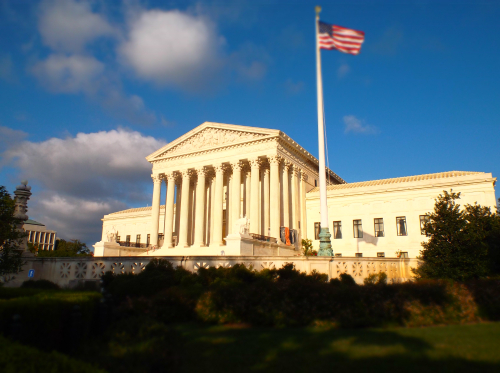
Two cases which we’ve been following are up for consideration on the Supreme Court’s conference schedule today. Indeed, by the time we post this, the conference will likely be over, although we won’t know the results until next week. Check these out, and hold your breath:

A water district, with regulatory approvals and permits from the California Department of Health Services, added chemicals — “secondary disinfectants” — to the tap water system to make the water safe to drink. The water complied with all federal and California drinking standards. 

Sounds good. No one wants undrinkable drinking water. Problem was these additives caused

IHtakings

Another week, another Federal Circuit panel opinion on takings authored by Judge Timothy Dyk (following the recent MR-GO opinion). And you know what that means: property owners lose.

The Court of Federal Claims concluded that the feds had taken the plaintiff’s lease of of a part of Dallas’ Love Field — under both a

20180504_091644_HDR
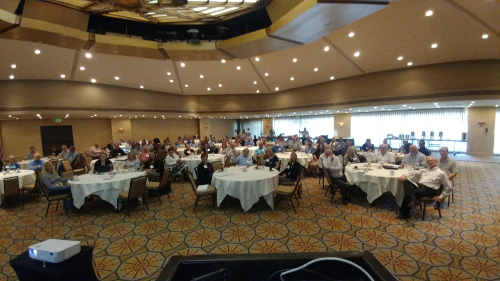
The conference is being held at the Arizona Biltmore.

Proof that we are actually in the room (and not on the golf course).

Here are the cases which I mentioned at today’s conference. What a great turn out (130+ lawyers, appraisers, right-of-way professionals, and others).

Many thanks to colleagues Chris Kramer and Jennifer Cranston for

20180504_091644_HDR
Surge pricing applies!

You really have to feel for taxi operators who invested what could be huge amounts of money to obtain a taxi medallion getting whacked by the competition from ridesharing outfits like Lyft and Uber. These services look and feel an awful lot like taxis, don’t they? As we wrote in a recent

Here’s what we’re reading today:

Thanks to colleague Chris Kramer, we’ll be speaking later this week (Friday, May 4, 2018) in Phoenix at the 22nd Condemnation Summit at the Arizona Biltmore.

Our session will cover “Condemnation Trends: Nationwide & Arizona.” The rest of the day’s agenda looks mighty good too, with session on valuation of easements, paying for

The Minnesota Attorney General settled a civil claim with tobacco companies that the companies had violated state consumer protection laws. Later, several Minnesota consumers brought a claim in state court alleging the State’s failure to pay these plaintiffs a portion of the proceeds from the earlier settlement was an inverse condemnation of their property, raising