Municipal & Local Govt law

There’s a lot of pages in the Pennsylvania Supreme Court’s opinion (and two concurring opinions) in Robinson Township v. Commonwealth of Pennsylvania, No. J-34A-2016 (Sep. 28, 2016), and the good stuff from the headline starts on page 78. But to understand the case, you need a bit of background.

Pennsylvania has been one of

 IMG_20160929_102807
During. Good crowd.

20160929_074511
Before. Note the power strips on the tables.
Well played, Caesar’s, well played
.

To supplement your written materials, here are the decisions and other materials which we spoke about this morning at the CLE International Eminent Domain seminar:

This one is kind of Colorado specific, but there are lessons here for the rest of us.

In Colorado Dep’t of Transportation v. Amerco Real Estate Co., No. 16SA75 (Sep. 26, 2016), the Colorado Supreme Court prohibited the DOT from taking Amerco’s land (leased to U-Haul) for a highway project because the transportation

Denials of rehearing and motions for en banc review from a state intermediate appellate court generally do not catch our attention. But Ganson v. City of Marathon, No. 3D12-777 (Sep. 14, 2016) is the exception to that rule.

This is a long-running regulatory takings dispute between property owners in the Florida Keys — who

We love quo warranto cases. Not just because “if it ain’t Latin, it ain’t the law’ (as one of our favorite law school profs informed us), but because they are yet another means for citizens to challenge those holding and exercising power.  

Here’s the latest from the Hawaii appellate courts, Ford v. Leithead-Todd

Here’s a newly published article from University of Virginia lawprof Maureen Brady, “Property’s Ceiling: State Courts and the Expansion of Takings Clause Property” 102 U. Va. L. Rev. 1167 (2916). We think it is worth your time reading.

What particularly caught our eyes about the article was its focus on municipal “regrade”

Some states (mostly in the Midwest, to our knowledge) don’t really recognize inverse condemnation” claims, at least as we in other jurisdictions use that term. Instead of recognizing a direct cause of action for compensation and damages when government has taken property physically or by regulation without first instituting an eminent domain case, these jurisdictions

In the course of negotiating a successful hostage situation with tear gas, flash-bang grenades, and a bulldozer, the Spartanville, SC police department damaged a convenience store. So badly that the owners “were later asked by the City to tear it down as it did not comply with ordinances regarding vacant commercial buildings.” After the owners said

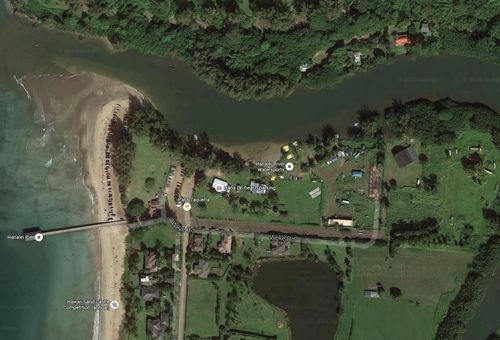
Kauaipark

In a case we’ve been following in which the County of Kauai is condemning several Hanalei-area parcels to expand an adjacent public beach park, the Hawaii Supreme Court has accepted certiorari and agreed to review these three questions:

QUESTION NO. 1.: Must two parcels physically abut in order for the jury to consider whether they

This just in, in a case we’ve been following closely.

In City of Perris v. Stemper, No. S2133468 (Aug. 15, 2016), the California Supreme Court held that the judge, and not the jury, determines the validity of a dedication which a condemnor asserts it would impose to get the condemned property “for free”