
Happy Birthday to Hugo Grotius, author of the treatise “De Jure Belli et Pacis” (1625) — perhaps fittingly books about war and peace — which first used the phrase “eminent domain” to describe the sovereign power to forcibly acquire private property for public use and upon provision of compensation.
Continue Reading Happy 442d Birthday To Hugo Grotius, Who Coined The Term “Eminent Domain”
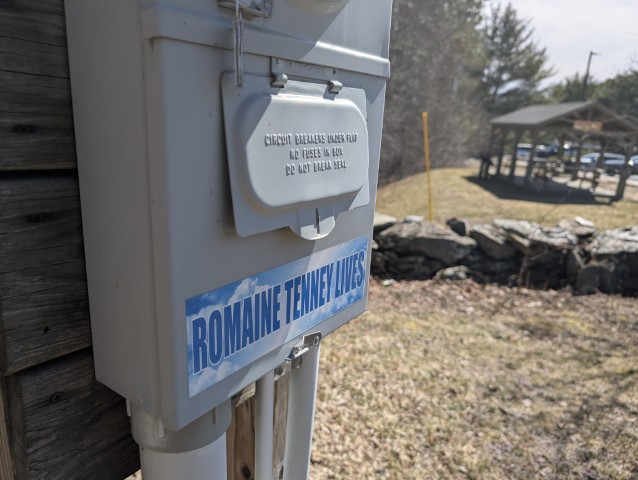
Romaine Tenney Lives: “They Stole His Land and Gave Him No Choice!”
When you think of “Vermont roads,” the first images that might come to mind are mountain byways, covered bridges, and “highways” that elsewhere might qualify as backroads. All the above is prelude, because it is here along I-95 south of White River Junction, that today’s story lay. Romaine Tenney was one of those classic Vermonters. He entered the pages of history more than fifty years ago when, in reaction to the taking of his farm for Interstate 91, he burned his house and farm buildings down, and shot himself. He had nowhere else to go.
Continue Reading Romaine Tenney Lives: “They Stole His Land and Gave Him No Choice!”
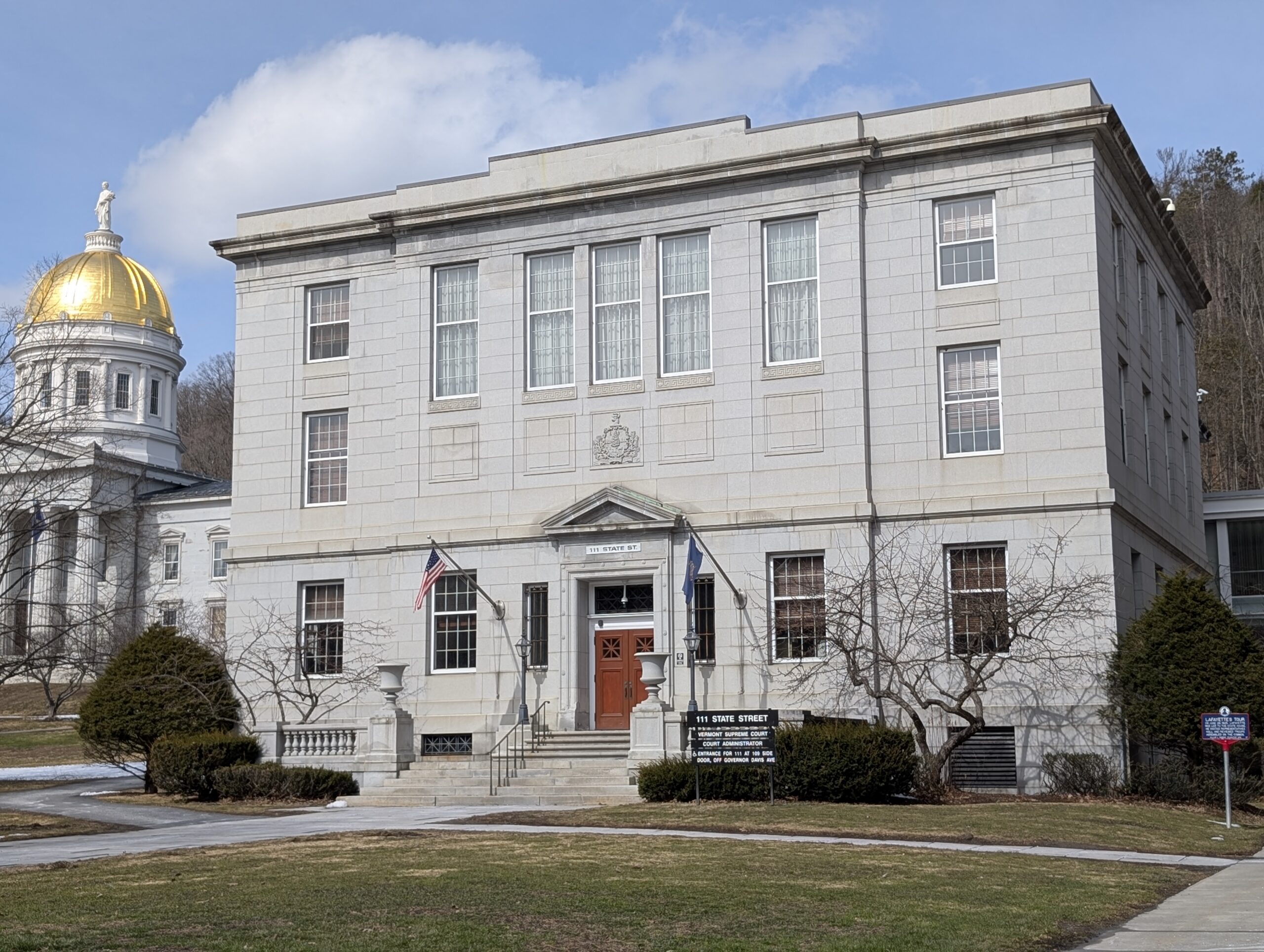
Vermont And The Bare Necessities: Taking Was Unnecessary Because Town Didn’t Bother To Meet Statutory Requirements
We’ve been holding on to this eminent domain necessity decision from the Vermont Supreme Court because we were scheduled to pay a visit to the Green Mountain State (more on that in a subsequent post), and we wanted to include some photos (photos are always good in an otherwise dry law blog post). Mongeon Bay Properties, LLC v. Town of Colchester, No. 25-AP-125 (Jan. 23, 2026), is an eminent domain case where the Town tried to condemn the property (shown above) which is part of a larger unsubdivided parcel owned by Mongeon on the shore of Malletts Bay (part of Lake Champlain). The court invalidated the taking, holding that the Town failed to prove the statutory elements of necessity.
Continue Reading Vermont And The Bare Necessities: Taking Was Unnecessary Because Town Didn’t Bother To Meet Statutory Requirements
Savannah Bound: Don’t Miss The 43rd ALI-CLE Eminent Domain & Land Valuation Litigation Conference (Jan. 22-24, 2026)
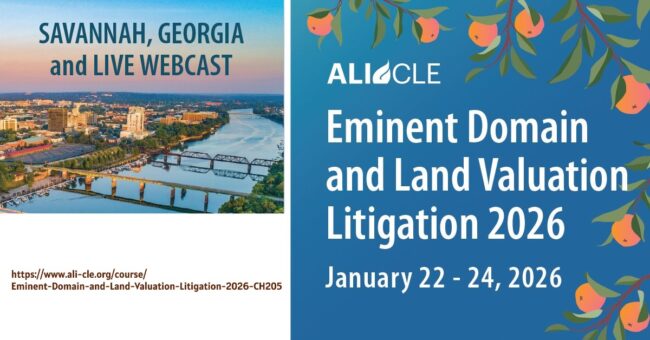
As we wrap up another year, it’s time to look ahead to the one event that always gets our eminent domain blood pumping: the annual ALI-CLE Eminent Domain and Land Valuation Litigation Conference. Details, including faculty list, a complete agenda, and registration information is posted here.
Now in its 43rd year, this flagship gathering
Headlines No Condemnor Likes To See
We have no idea what these cases might be about, or whether there is any substance behind the property owners’ objections, but these are headlines no condemnor could possibly like:
- Bedford County Widow Sued (via wjactv.com) – “A Bedford County widow is being sued for trying to keep Columbia Gas Transmission off her property. The
Kansas: Inverse Condemnation Case Resolved By Summary Judgment Burdens
Here at inversecondemnation.com we also cover eminent domain, regulatory takings, land use, and environmental issues. We even cover election law when it strikes our fancy.
But here’s one that’s in our core competency: in Frick v. City of Salina, No. 101,355 (July 9, 2010) the Kansas Supreme Court held that property
Wisconsin: Taking Groundwater Is Not A Taking Of A Building Damaged By The Taking Of The Groundwater
If you can figure out the syntax of this post’s headline, you’ve just figured out the rationale of the Wisconsin Supreme Court in E-L Enterprises, Inc v. Milwaukee Metropolitan Sewerage District, No. 2008AP921 (July 2, 2010). In that case, the court held that the removal of groundwater was not a compensable taking because the
▪ Ninth Circuit on Jury Trials in Federal Eminent Domain and Inverse Condemnation Valuations
In United States v. 191.07 Acres of Land (Martinek) (No. 04-35131, Apr. 4, 2007), the Ninth Circuit addressed two interesting issues in the context of a federal taking of unpatented gold- mining claims in Alaska’s Denali National Park.
The first is a question of appellate procedure: whether a party waives the right to appeal the