text Download Wisconsin Three v Eau Claire, No. 2015AP1858 (June 6, 2018)
Wisconsin Three, LLC v. City of Eau Claire, No. 2015AP1858 (Mich. June 6, 2018)


text Download Wisconsin Three v Eau Claire, No. 2015AP1858 (June 6, 2018)
Wisconsin Three, LLC v. City of Eau Claire, No. 2015AP1858 (Mich. June 6, 2018)
This one is more for our muni law friends, but today’s post also has two eminent domain angles.
Anyone who has been to a city council meeting knows at least one fellow like this, considered a pain-in-the-butt by officials. A gadfly, who testifies on seemingly every issue. This is Fane Lozman, eminent domain protester
Before you get too excited about the California Supreme Court agreeing to consider an inverse condemnation case (the Court of Appeal’s decision in Weiss v. People ex rel. Dep’t of Transportation, No. G0552735 (Mar. 1, 2018)), remind yourself that it involves a procedural issue, and one that is very California-centric.
As our colleagues
Here’s a new cert petition, filed yesterday in a case we’ve been following out of Louisiana that asks the Supreme Court to revisit the Public Use Clause questions left open by Kelo v. City of New London, 545 U.S. 469 (2005).
In Violet Dock Port, LLC v. St. Bernard Port, Harbor, & Terminal
A quick check of the Supreme Court’s docket in the Knick v. Township of Scott case shows that no less than 18 amici briefs have been filed top side. Not all of them in support of the Petitioner mind you (two, the briefs of the United States and of the American Planning Association, are in
It’s a go for next Monday, June, 11, 2018, and the exclusive Honolulu screening of “Little Pink House,” the feature film about the Kelo v. City of New London case.
There are still some seats left, so if you are even thinking of attending, buy your ticket here, right now.
We’ve seen
Here’s the latest in a case we’ve been tracking, the City of Missoula, Montana’s takeover of a privately-owned water system. In 2016, the Montana Supreme Court held that the city could exercise its power of eminent domain to take the property for a “more necessary” public use. The court allowed the city to take the
Here’s the latest in a case we’ve been following. In Alimanestianu v. United States, No. 17-1667 (May 7, 2018), the U.S. Court of Appeals for the Federal Circuit affirmed the Court of Federal Claims’ ruling rejecting takings liability for the government wiping out a money judgment in favor of terrorism victims against the Libyan
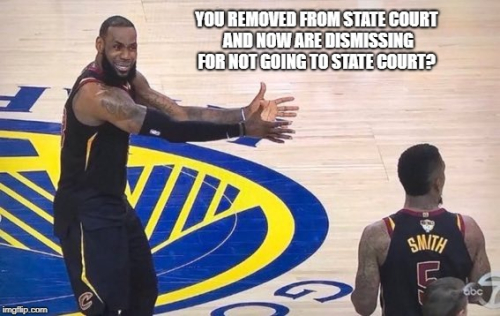
The main point we’re trying to make in the amici brief we are filing today on behalf of Citizens’ Alliance for Property Rights Legal Fund in Knick v. Township of Scott, No. 17-647 (cert. granted Mar. 5, 2018), is that the average property owner simply cannot fathom why—if a state or local government has taken
Here’s the Petitioner’s Brief on the Merits in Knick v. Township of Scott, No. 17-647, the case in which the Supreme Court is being asked to revisit our old nemesis, Williamson County‘s “state exhaustion” requirement, a doctrine which tells takings plaintiffs that they cannot press a takings claim against state or local governments