We like seeing student-authored pieces in our areas of interest, especially those where the subject is eminent domain. Here’s another example. In “Public Use on the Loose: Clarifying the Takings Clause’s Public Use Requirement,” author Megan Hoefs focuses on the pretext argument, arguing that the Public Use Clause imposes a good faith requirement.
Continue Reading New Note On Good Faith In Eminent Domain: “Public Use on the Loose: Clarifying the Takings Clause’s Public Use Requirement,” 53 Pepperdine L. Rev. 729 (Megan Hoefs)
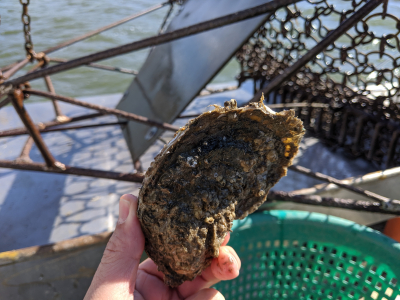
You remember when the Court of Federal Claims denied the government’s motion to dismiss a takings claim and issued a very readable opinion rejecting the argument that oysters planted on submerged land leased from Louisiana are not “private property.” The CFC opinion held that “plaintiffs have all three essential features of the ‘bundle of rights’ commonly characterized as ‘property’ under Louisiana law.” But like all court orders made before entry of final judgment, the CFC’s opinion was interlocutory. Meaning subject to change. And change it did.
Continue Reading Aw Shucks: CAFED Agrees That Oysters Destroyed By Govt Aren’t Private Property

Here’s a recently-filed cert petition which asks this Question Presented: “Is the application of a prudential rule of exhaustion, where the only relief is voluntary cessation of government’s physical possession, a decision on the merits of an uncompensated Takings Clause claim?”
Continue Reading New Cert Petition: Remember First English?

Worth reading: a new (student-authored) piece, Michaela R. Hill, Not Just a Castle in the Sky: A Legal Remedy for Race-Based Takings in Virginia, 67 Wm. & Mary L. Rev. 1497 (2026). Here’s the summary: “This Note argues that Virginia….”
Continue Reading New Note: Michaela R. Hill, “Not Just a Castle in the Sky: A Legal Remedy for Race-Based Takings in Virginia, 67 William & Mary L. Rev. 1497 (2026)

Here’s the latest in a case we’ve been following for a long time. In Baker v. City of McKinney, No. 25-40396 (May 22, 2026), the U.S. Court of Appeal for the Fifth Circuit, in an unsigned per curiam opinion approved of the property owner’s “reelection of remedy” to ask for relief under the Texas Constitution, after the original section 1983 just compensation claim was rejected.
Continue Reading Uno Reverse! CA5 Approves State Takings Remedy After Fifth Amendment Failed

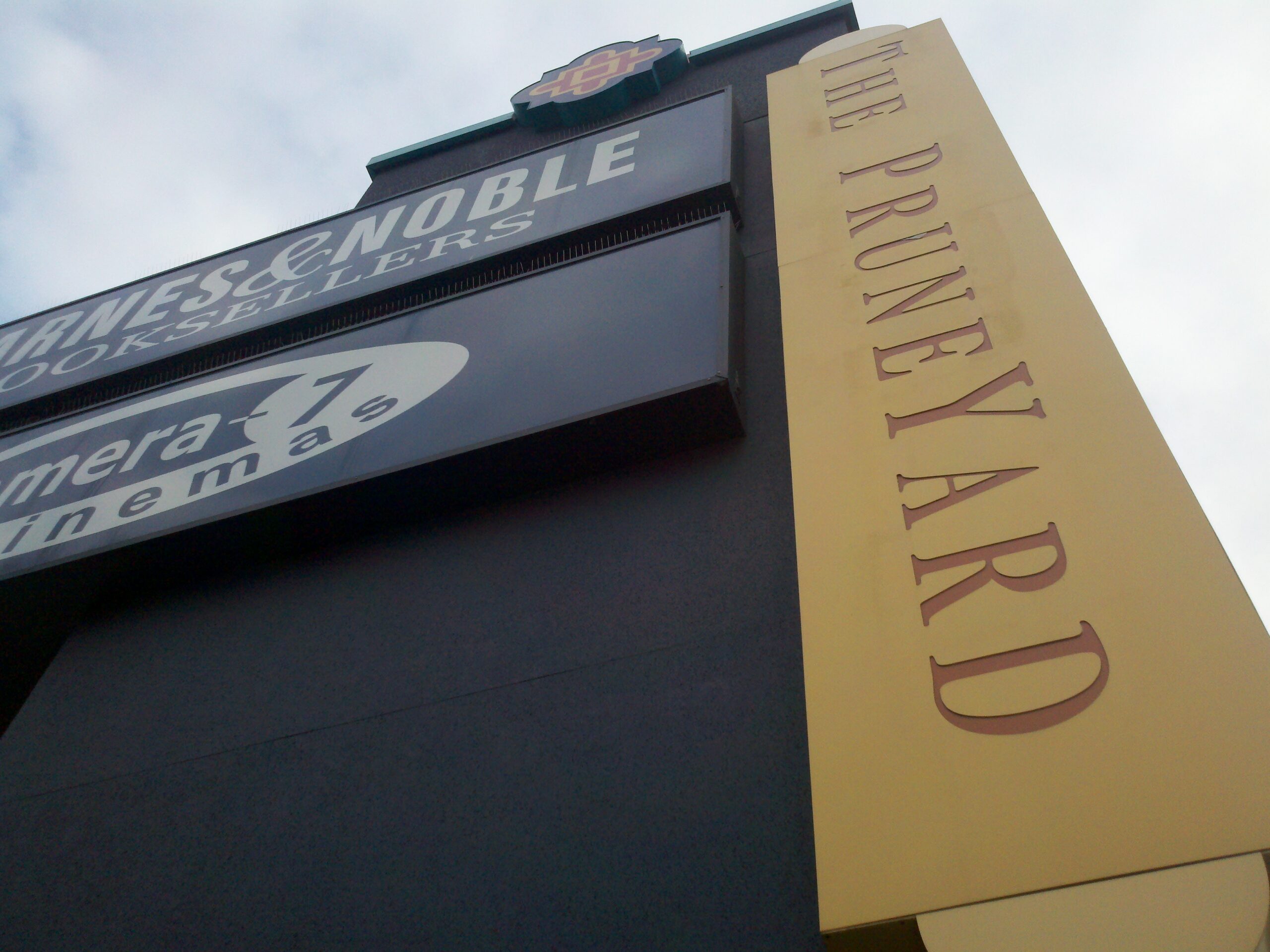
Here’s a just-filed cert petition, which poses a question that has been around since at least 1980: when third parties enter private property under color of state law against the wishes of the owner, is this a taking? That’s right, the issue decided by the U.S. Supreme Court in PruneYard Shopping Center v. Robins, 447 U.S. 74 (1980). (And yes, the above photo is from a visit to The Pruneyard shopping center in Campbell, California a while back.)
Continue Reading New Cert Petition: Time For PruneYard To Go

Yes, the U.S. Court of Appeals for the Sixth Circuit’s opinion in Banks v. Charter Twp. of Bloomfield, No. 25-1833 (Apr. 28, 2026) is unpublished, and we usually don’t cover unpublished opinions. But we put aside our usual reluctance to discuss unpublished work because the decision raises an important point: are the rules in “regulatory” takings only applicable when the government has adopted a regulation?
Continue Reading CA6: To Be A Regulatory Taking, There Must Be A Regulation

Yesterday’s U.S. Supreme Court’s 8-1 decision in Havana Docks Corp. v. Royal Carribean Cruises, Ltd., No. 24-983 (May 22, 2026) involves a taking without compensation (although not the type of taking we usually discuss here) by the then-new communist government of Cuba. But it does give us some insight to how the Court views property. In this case, the term “property” as defined in a federal statute creating a private right of action against someone who traffics in property seized by the Cuban communist government after the 1959 revolution.
Continue Reading Usufruct That! Some Clues On How SCOTUS Views Property As “Physical Things” And Not Just Sticks Or Interests

The setup in Article 13 LLC v. New York Attorney General, No. 23-7247 (May 13, 2026) is very “Second Circuity,” and is bit convoluted, so hang on while we get through it. But we shall start with the U.S. Court of Appeals for the Second Circuit’s conclusion that a New York statute known as the Foreclosure Abuse Prevention Act did not result in a taking because the challenger does not have a property interest in “collaterally challeng[ing] the invalidity of a prior foreclosure action years after the limitations period expired[.]” Slip op. at 25. And even if that were a property right, this was not a Penn Central taking because any “negative economic impact … was the result of [the challenger]’s own inaction.” Id.
Continue Reading You Snooze You Lose In The Second Circuit: No Property Interest In Challenging A Statute When You Let The Statute Of Limitations Expire