
We’re certainly not going to delve in detail into the 109 single-spaced pages of the majority and dissenting opinions in the New York Court of Appeals’ ruling in Regina Metro. Co., LLC v. N.Y. State Div. of Housing and Community Renewal, Nos. 1-4 (Apr. 3, 2020). New York’s rent control law is infamously labyrinthine
Another Complaint Challenging Emergency Shut-Down Orders As Takings
Here’s another complaint (here’s the first) challenging a state’s business shut-down order as a taking. This time it is Colorado, and the complaint seeks an injunction and compensation.
Here are the highlights:
- “As a result of the [shutdown] Orders listed above that restrict the gathering of more than ten people at a time,
New Article: Ninth Circuit’s Latest Foray Into Lucas And Penn Central Takings

Here’s an article, just published in the American Planning Association’s monthly magazine, Planning (read the entire April issue here), summarizing the Ninth Circuit’s latest foray into regulatory takings, Bridge Aina Lea, LLC v. State of Hawaii Land Use Comm’n, No. 18-15738 (9th Cir. Feb. 19, 2020).
Backing Back Into Williamson County: Federal Court Case Tees Up 11th Amendment Immunity For Takings
We don’t usually post trial court decisions, but when one comes along that tees up some interesting issues and is likely to get pushed further up the food chain, we’re all ears.
That’s the case with the Eastern District of North Carolina’s order in Zito v. North Carolina Coastal Res. Comm’n, No. 2:19-CV-11-D (Mar.
SCOVA Oral Argument: Does A City Have The Right To Pollute Chesapeake Bay?
Here’s the latest in a case we’ve been following. We even visited the site with our class last year.
Today, the Virginia Supreme Court heard argument on the petition for appeal (streaming above from the webstream, or download the mp3 here) in what we call the oyster case because it involves the property
More Readings: “Real Liberty,” Vaccination, Plague, Police Power, And Takings
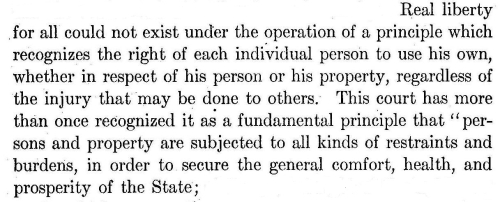
Here’s what we’re reading today, spurred by the headlines swirling around all of us. Mostly cases about the role of the courts when government curtails liberty or property rights under its police or emergency powers. We’ve now seen the first lawsuit claiming that an order to shut down businesses is a due process violation and
First Takings Lawsuit Challenging Business Shut-Down Order
Well, here it is. What looks like the first complaint to be filed challenging a state governor’s order to shut down businesses to “flatten the curve.”
The complaint seeks class action status, and raises section 1983, due process, and Fifth and Fourteenth Amendment takings claims. It seeks damages, compensation, a declaratory judgment, and, interestingly, an
Time For A “Coronavirus Disputes Court?”
The materials we were reading yesterday (particularly Steve Silva’s “History: Fire and Blood(worth),” got us to thinking. There, Steve wrote about the September 2, 1666 London fire which destroyed 80% of the city, the government’s emergency powers, and compensation. He also brought up a subject we had not know of before: the subsequent
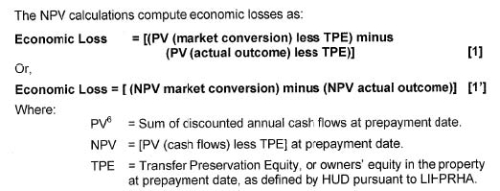
Mi Casa Ain’t Su Casa: Proof Of Lost Opportunity Is Evidence Of Penn Central’s “Economic Impact” Factor
The work of the courts goes on, and as long as there’s stuff to report, we’ll keep reporting as usual.
Yesterday, the U.S. Court of Appeals for the Federal Circuit issued an important takings decision in a case and issue we’ve been following for what seems like forever. In Anaheim Gardens, L.P. v. United
Talkin’ ‘Bout My Palazzolo: Takings Claim Not Precluded Because Owner Purchased Land Already Subject To Wetlands Regs
As long-time readers know, we often kvetch about the way many courts ignore the Palazzolo rule that simply because someone obtains property subject to preexisting restrictions on use does not preclude them automatically from raising takings claims. See here, here, here, and here, for example. More about the Palazzolo case here, including