Guam land titles can be seriously messed up. This case, Gov’t of Guam v. 162.40 Square Meters of Land, No. CVA14-011 (Mar. 17, 2016), about which we posted earlier (when it went up to the U.S. Supreme Court and was denied review) is an example. To reconfigure irregular lot lines left over from
Just Compensation | Appraisal
No Compensation For Bridge That Blocks View Of Taken Property, But Isn’t On Taken Property
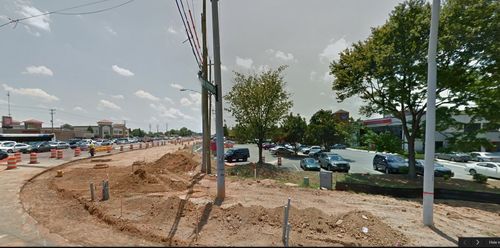
Urban property at the intersection of two main thoroughfares can be pretty valuable. It’s about location, for sure, but it’s also about visibility and the ability to be seen from four directions.
Charlotte, NC needed a part of such property for a rail line extension. The rail will be in the middle of the road…
“Interesting” Eminent Domain Opinion: No Evidence Of Jury Compromise Verdict In City’s Taking Of Utility
When you raise 13 issues on appeal, you shouldn’t be surprised if the court balks at analyzing them all. That was the case in City of Gulfport v. Dedeaux Utility Co., No. 2014-CA-00556-SCT (Mar. 24, 2016), where the Mississippi Supreme Court didn’t address the majority of the points raised by the city on…
Big Eminent Domain Days Coming Up At The California Supreme Court
Early next month, the California Supreme Court will hear oral arguments in two cases which we’ve been closely following:
- Tuesday, May 3, 2016, 9:00 am – Property Reserve, Inc. v. Superior Court, No. S217738. The court is considering whether California’s “entry statute” which allows a condemning agency to enter property for testing and inspection
…
Government’s Role In Delay In Cleanup Of Contaminated Property Admissible In Eminent Domain Case
The only issue in Caffe Ribs, Inc. v. Texas, No. 14-0193 (Apr. 1, 2016) was whether the jury could hear evidence proffered by the property owner that the delay in cleaning up the land to make it marketable could have been attributable to the government. The trial court said no, and the court of…
Guest Post: Bragg – Wrong Question, Wrong Result In Texas, To The Detriment Of Sustainable Water Supply
Today’s post is by colleague William Wade, an economist in Nashville, Tennessee, who has thought a lot — and written extensively — about the just compensation and damages available in inverse condemnation and regulatory takings cases.
He provides his thoughts on a recent trial court decision in a closely-watched Texas water case, in which the…
Appraiser Is “Independent” Even Where One Side Is Paying Him
One from the California Court of Appeal that may be interesting even though it is about municipal law, and not eminent domain or takings.
We present to you San Diegans for Open Gov’t v. City of San Diego, No. D067578 (Mar. 3, 2016, published Mar. 16, 2016), because the court concluded that an appraiser…
Mississippi: Like Everywhere Else, In Eminent Domain You Snooze, You Lose – Condemnor Didn’t Object To Appraiser’s Failure To Rely On Market Data
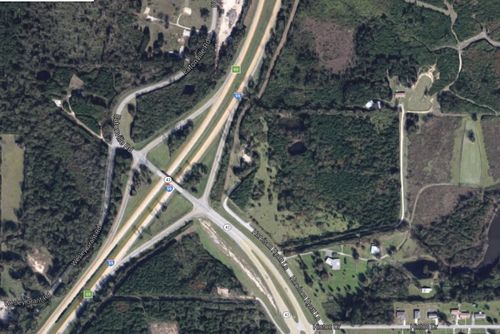
A pretty straightforward one from the Mississippi Supreme Court. Mississippi Transportation Comm’n v. United Assets, LLC, No. 2014-SA-01181-SCT (Feb. 11, 2016), involved a partial taking by MDOT at the intersection of I-59 and Highway 42.
The state’s appraiser concluded that commercial development was the highest and best use of the land and settled on…
Latest On The Latest Hawaii Takings Case: Unconstitutional Conditions, Statutes Of Limitations, And Vested Rights
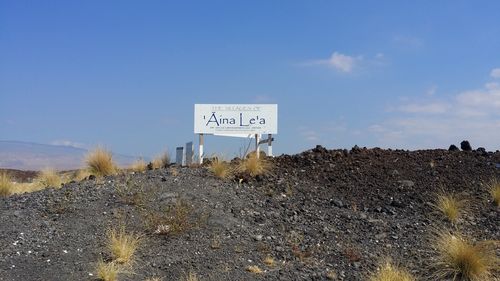
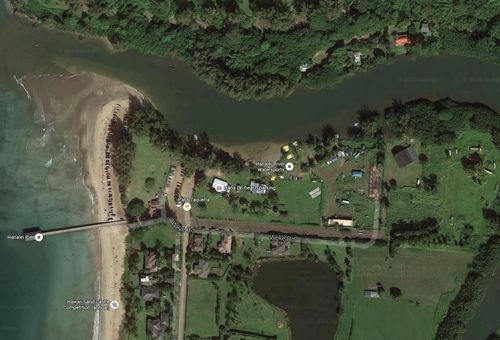
Here’s the latest on a takings case that is winding its way through the U.S. District Court in Honolulu. Yes, you read that right: a takings case being litigated in federal court.
Intrigued? Read on.
We’ve covered this case and the related state court litigation several times here before, so this isn’t entirely unfamiliar ground. This…
Wisconsin: Cutting Off Highway Access Is Not Compensable, If The Property Isn’t Totally Landlocked
Here’s a decision from the Wisconsin Supreme Court, similar to a recent case from the Oregon Supreme Court involving highway improvements which cut off existing access.
The issue in Hoffer Properties, LLC v. Wisconsin Dep’t of Transportation, No. 2012AP2520 (Feb. 4, 2016) was whether a property owner whose parcel enjoyed direct access to a…