March 2026

The latest from the lawyers who brought you Knick v. Township of Scott. A new cert petition challenging the Eleventh Circuit’s conclusion that a property owner asserting a due process violation must effectively exhaust state judicial remedies.
Continue Reading New Cert Petition (Ours): Must A Due Process Claimant Exhaust State Remedies?

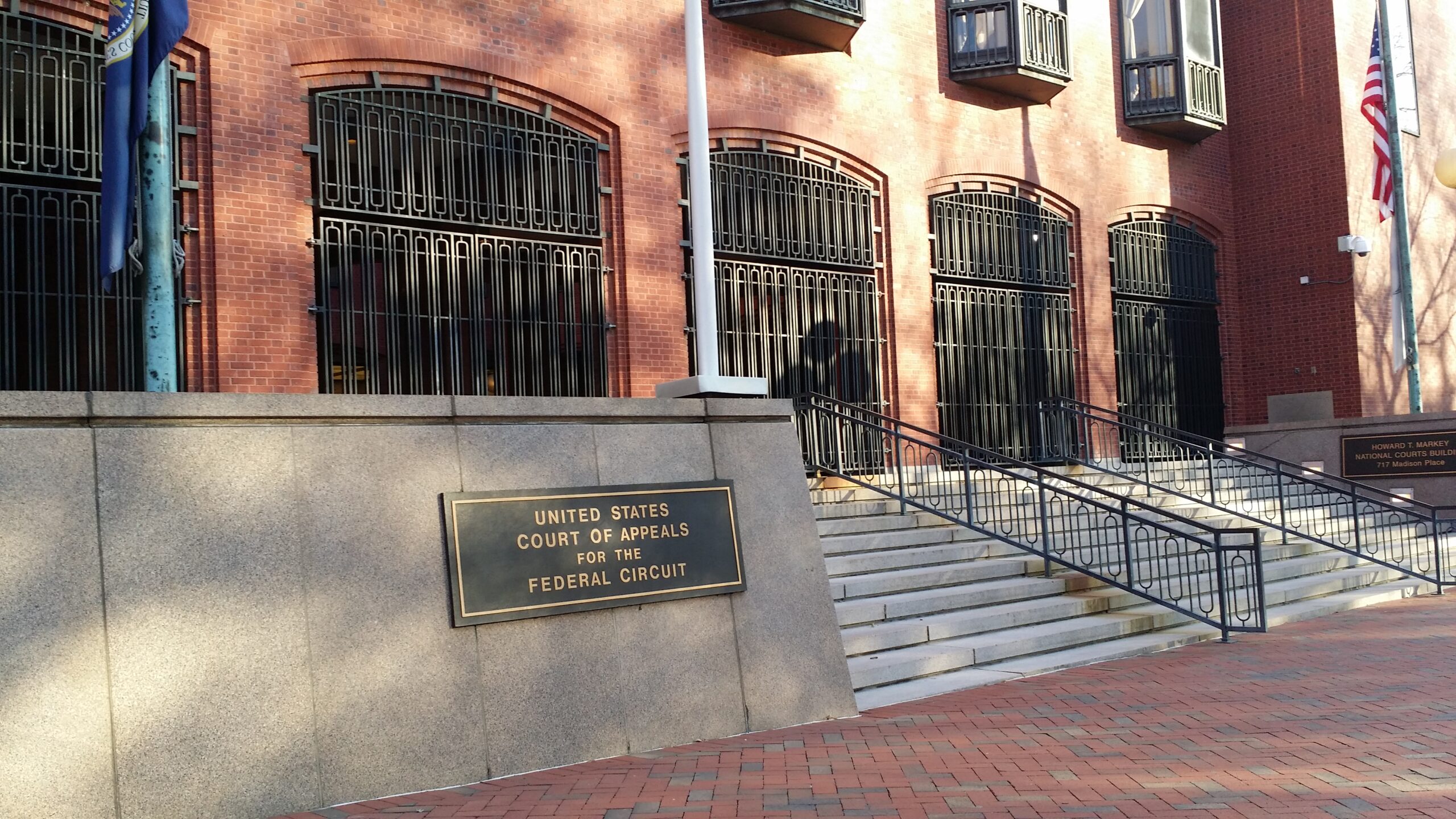
An interesting one from the U.S. Court of Appeals for the Federal Circuit, Ligado Networks, LLC v. United States, No. 25-1792 (Mar. 9, 2026). In an unsigned opinion, the court held that it couldn’t determine whether the plaintiff suffered a physical taking of its radio license because the parties had not adequately briefed the argument that a federal statute created a private property right.
Continue Reading CAFED: We Can’t Tell Whether There’s Been A Physical Taking, Because You Haven’t Explained Well Enough What Property Interest You Have In Using Radio Frequencies

We’ve been following the stories of the State of Washington’s recent adoption of a tax on income in excess of one million dollars per year. There’s lots of talk about this income tax violating the State Constitution, also. We’re not up on our Washington constitutional law, so we were intrigued: does the state constitution really ban income taxation? We found the answer interesting (and based in our favorite topic, property), so we thought we would post it here.
Continue Reading Income As Property, And Washington’s New “Millionaire Tax”

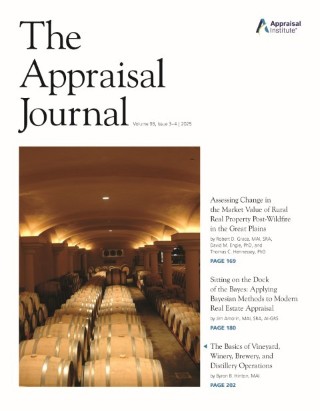
Check out this recently-published article by colleague Robert (Bob) Grace, MAI, “Assessing Change in Market Value of Rural Real Property Post-Wildfire in the Great Plains” in the latest issue of the Appraisal Journal.
Continue Reading New Article: Bob Grace, “Assessing Change in Market Value of Rural Real Property Post-Wildfire in the Great Plains” (Appraisal Journal)

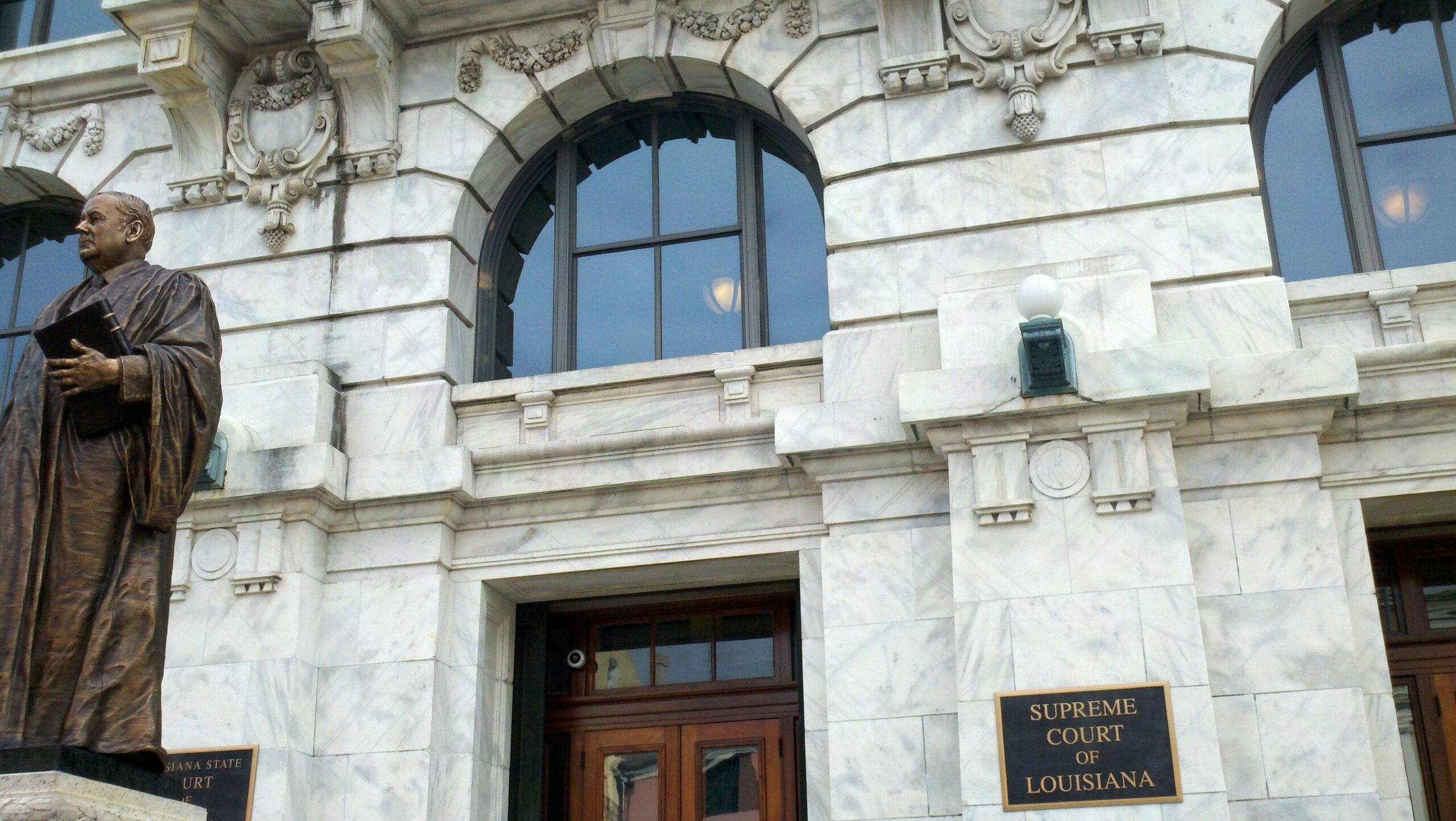
In Plaquemines Port Harbor & Terminal District v. Nguyen, No 2025-C-00827 (Mar. 6, 2026), the Louisiana Supreme Court invalidated a quick take by the Port of a vacant 29-acre parcel, because the property was to be leased to “a private company for its exclusive development and use.” Slip op. at 1. [Disclosure: our shop filed an amicus brief, so we had a dog in the hunt.]
Continue Reading Post-Kelo Amendments To Louisiana Constitution Prohibit Taking To Lease To Private Company For Its Own Use (Even If The Fifth Amendment Might Allow It)

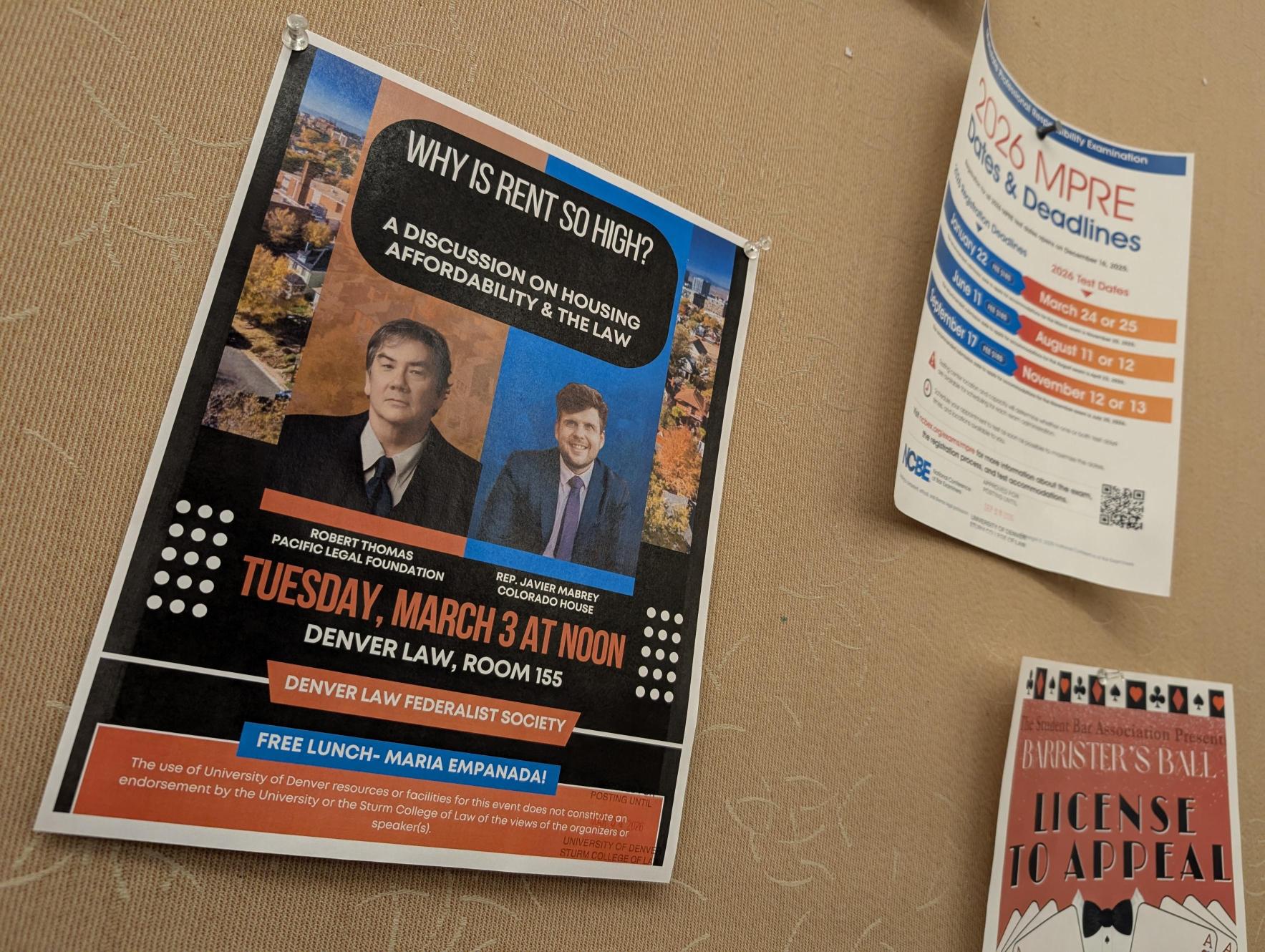
For the past couple of days, we’ve been in Denver, attending the 2026 Rocky Mountain Land Use Institute at Denver Law School. The program is pretty wide-ranging. Everything from very land-usey topics like state-local delegation, zoning, and takings, and broader subjects like housing policy, western history lessons, and planning strategies. In attendance: private practice lawyers, government lawyers, elected officials, public interest lawyers, legal scholars, planners, and zoning officials.
Continue Reading Sunny (And Not So Sunny) Days At The 2026 Rocky Mountain Land Use Institute

A new must-read from lawprofs Lee Anne Fennell (Chicago) and Timothy Mulvaney (Tex. A&M) in the Yale Law Journal, “The Exactions Illusion: Sheetz’s Missing Dissent,” 135 Yale L.J. 1143 (2026). Now don’t get us wrong: we’re no offering this as a “must-read” because we agree with or endorse the article’s content and premise, but because we think the content and premise are subject to challenge.
Continue Reading New Article (Fennell & Mulvaney): “The Exactions Illusion: Sheetz’s Missing Dissent,” 135 Yale L.J. 1143 (2026)

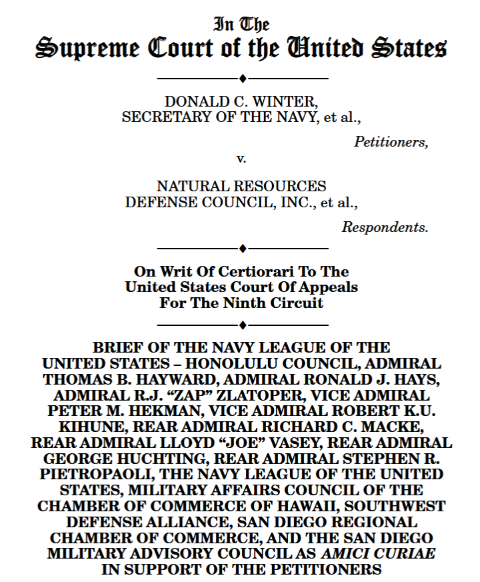
Today’s reports that the U.S. Navy has destroyed one (or more) of Iran’s Kilo-class diesel-electric submarines got us thinking back to the time we and our colleagues filed an amicus brief in the U.S. Supreme Court in a case involving the conflict between environmental law (in that case the National Environmental Policy Act, the law requiring study and disclosure of possible environmental impacts from certain actions), on one hand, and national defense on the other.
Continue Reading Kilo-Class Subs? Yes, We Covered That. Dusting Off Our Admirals’ SCOTUS Amicus Brief In Sonar EIS Case: The Real-World Consequences Of Environmental Law