2016

This just in: the North Carolina Supreme Court has issued an opinion in an important case we’ve been following for a long time, Kirby v. North Carolina Dep’t of Transportation.

This is the case about the “Map Act,” a statute which designates private property for future highway use, and  “restricted plaintiffs’ fundamental rights to improve
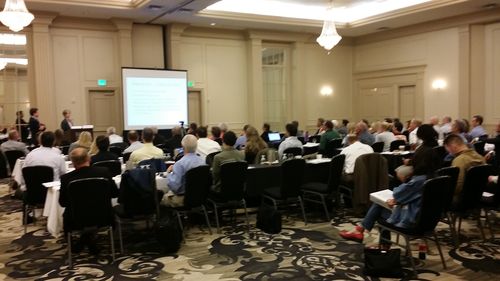
20160609_095451

A very good crowd for today’s Oregon Eminent Domain Conference in Portland. 

Here are the links to the cases and other materials that we spoke about today in our session “Inverse Condemnation and Regulatory Takings – Issues and Trends.”  

Our thanks to Planning Chairs Jill Geleneau and Paul Sundermier for putting together a great

We won’t go into the West Virginia Supreme Court of Appeals’ opinion in Gomez v. Kanawha County Comm’n, No. 15-0342 (June 3, 2016) — it’s well-written and easily digested (all citations are in footnotes) — but point out these highlights:

  • The condemnation took Gomez’ property for use as a dump site for debris from construction

20160603_075340

As we head into the weekend, one more reminder about two worthwhile eventss being staged next week: 

Hawaii News Now – KGMB and KHNL

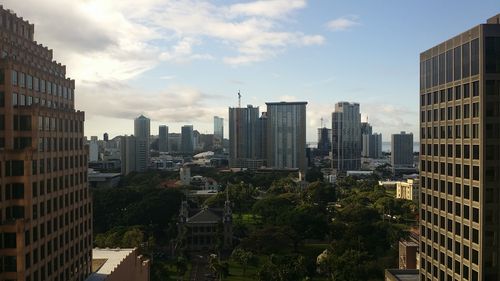
Hawaii News Now came calling yesterday, looking for commentary about the latest in the case challenging the proposed Thirty Meter Telescope on the Big Island’s Mauna Kea. We obliged.  

As you know, we’ve been following the case. It’s already been up to the Hawaii Supreme Court, which

Frisco

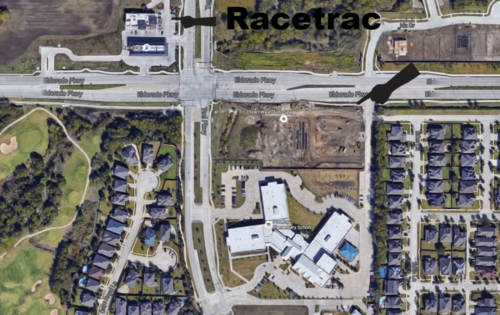
The plaintiffs in FLCT, Ltd. v. City of Frisco, No. 02-14-00335-CV (May 26, 2016), owned two adjoining parcels in the Dallas-Ft Worth area at the southeast corner what could be a very busy (and therefore profitable) intersection of two parkways. After checking with the city that the restriction in the Commercial zoning which prohibited

The issue determined by the Texas Supreme Court in In re Lazy W District No. 1, No. 15-0117 (May 27, 2016), was whether — in a case where one governmental entity is trying to condemn another governmental entity’s property — the trial court must resolve the power to take issue before or after the

This just in. The Court, in an opinion authored by Chief Justice Roberts:

The Clean Water Act regulates the discharge of pollutants into “the waters of the United States.” 33 U. S. C. §§1311(a), 1362(7), (12). Because it can be difficult to determine whether a particular parcel of property contains such waters, the U. S.