

We’ve been holding on to this one from the Vermont Supreme Court for a bit because we were scheduled to pay a visit to the Green Mountain State (more on that in a subsequent post), and we wanted to include some photos (photos are always good in an otherwise dry law blog post).
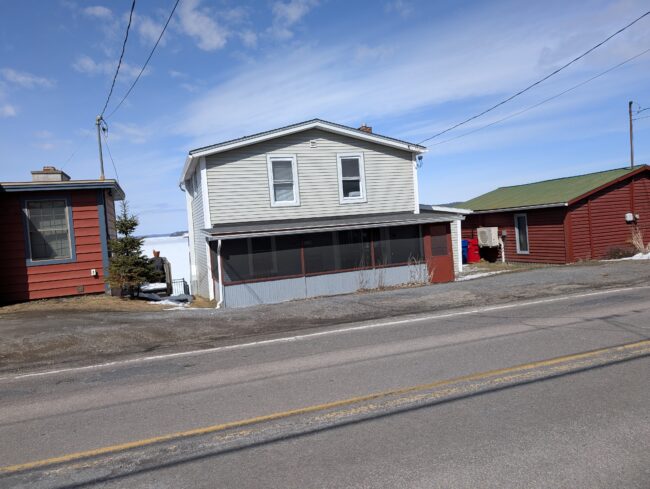
Mongeon Bay Properties, LLC v. Town of Colchester, No. 25-AP-125 (Jan. 23, 2026), is an eminent domain case where the Town tried to condemn the property (shown above) which is part of a larger unsubdivided parcel owned by Mongeon on the shore of Malletts Bay (part of Lake Champlain), which is the frozen white part in photo below. It may be March and technically spring, but this is Vermont so the ice and snow are not gone yet.
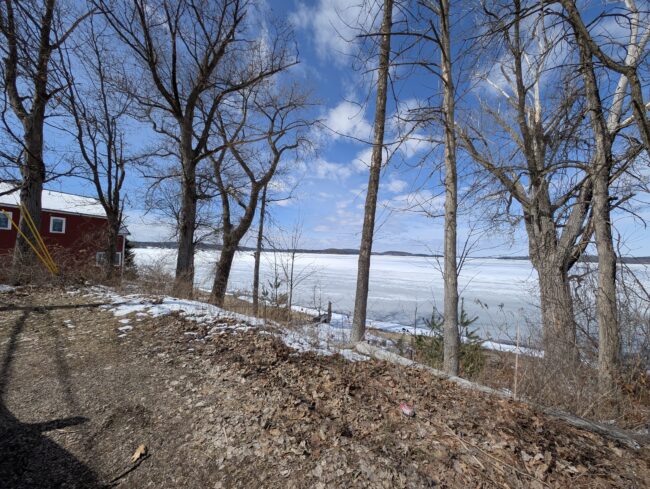
The Town maintained a stormwater drainage pipe on the property under an easement dating to the late 1970s. In 2019, the pipe ruptured and was repaired. And in 2022, the Town initiated condemnation proceedings.
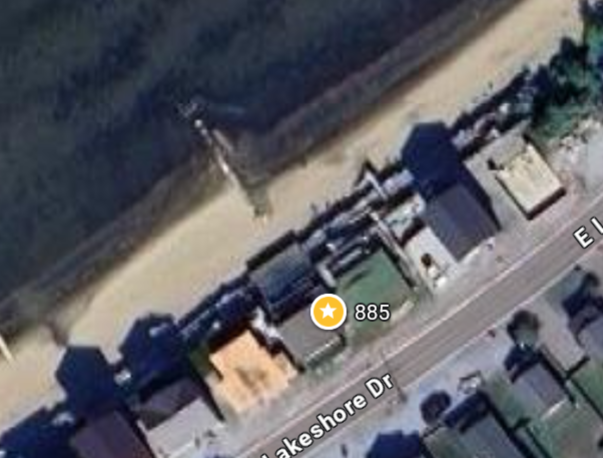
You can even see the pipe on Google Maps:
The Town needed the property, it said, “to have improved access to the stormwater discharge point, reduce ongoing maintenance and repair costs to an unorthodox stormwater outfall configuration, to install a stormwater treatment facility, to address a safety and liability issue created by the recent erosion and to mitigate potential hazards in the future.” Slip op. at 2.
The owner filed a state court declaratory judgment action to stop the taking, after which the Town asked for and was granted a two-day bench trial under Vermont’s necessity statute. The trial didn’t go well for the Town:
The court found that the Town did not prove that taking the land was in the public good or properly consider the inconvenience and expense to Mongeon Bay and the Town. Although the Town claimed that it needed the property to meet its obligations to reduce phosphorus runoff into Lake Champlain, the evidence did not show that the project was a reasonable means to further this goal. The court also found that the Town did not properly consider alternative sites.
Slip op. at 3.
The court held that “the Town appeared to have first selected the site, then designated the project to fit the property, rather than assessing various alternatives and choosing a suitable site from among them. Id. In short, this was a bad faith taking.
The Vermont Supreme Court affirmed. [Here’s the oral argument recording if you are interested.]
The court rejected the Town’s two main arguments. The court first held that the trial court gave the required consideration to the statutory factors that go into a necessity determination. The Supreme Court relied on the standard of review (abuse of discretion) to concluded that the trial judge acted within the range of his discretion. See slip op. at 4 (“This Court must accept the trial court’s findings on necessity if they are supported “by any competent evidence,” and must uphold the court’s decision unless the court abused its discretion.”).
The court noted that the Town may take property to construct and maintain sewage and stormwater systems “if necessary to serve the public good.” Id. There’s no presumption in the Town’s favor, and it has the burden to prove the necessity of the taking by a preponderance of the evidence.
Under the statute, necessity is determined by the court weighing several factors:
“Necessity” means a reasonable need that considers the greatest public good and the least inconvenience and expense to the condemning party and to the property owner. Necessity shall not be measured merely by expense or convenience to the condemning party. Due consideration shall be given to the adequacy of other property and locations; to the quantity, kind, and extent of property that may be taken or rendered unfit for use by the proposed taking; to the probable term of unfitness for use of the property; to the effect of construction upon scenic and recreational values, upon home and homestead rights and the convenience of the owner of the land; to the effect upon town grand list and revenues.
The court held that the Town failed to meet its burden, because “[a]t trial, the own presented little to no evidence regarding several of the statutory factors..” Slip op. at 6. That means the Town can’t just have made assertions, but that it had to show its work:
First, the Town did not present any evidence on how “the effect of construction” would impact “home and homestead rights and the convenience of the owner of the land.” 24 V.S.A. § 3601(4). The Town made clear that constructing and operating the stormwater treatment facility would require taking the entire property and permanently removing the building on it. However, this does not relieve the Town of the obligation to present evidence showing how it considered the construction’s impact on Mongeon Bay’s rights and convenience—particularly because the property sits within a larger, unsubdivided parcel owned by Mongeon Bay.
Id. The Town “presented very little evidence” regarding another statutory factor , didn’t present any “evidence of the taking’s potential impact on Mongeon Bay,” and speculated about the likelihood of the pipe failing. It also “failed to demonstrate that is sufficiently considered ‘the adequacy of other property and locations.'” Slip op. at 7-9.
We’re going to guess that the Town, so used to the relaxed rational basis test for public use challenges where the condemnor mostly just has to say stuff and a reviewing court will buy it, failed to see that Vermont’s statute requires more when it comes to necessity.
The court rejected each of the Town’s argument, concluding that “[t]he Town was required to present evidence on each factor to the extent practicable. Id. The record supports the trial court’s finding that the Town did not adequately consider all the statutory factors, which in turn supports its conclusion that the Town did not meet its burden to prove necessity.” Slip op. at 11.
Having concluded that the Town didn’t meet its statutory burden, the court declined to consider the the Town’s argument that it had not acted in bad faith. Slip op. at 3-4.

The Vermont Supreme Court
with the State Capitol in the background.

The Capitol’s golden rotunda, reflected in the Supreme Court’s windows

You might have assumed Vermont’s state flag was green
because “Bleumont” just doesn’t have the same ring
Look for the bare necessities
The simple bare necessities
Forget about your worries and your strife
I mean the bare necessities
Old Mother Nature’s recipes
That bring the bare necessities of life
(But don’t forget to satisfy your burden to prove the statutory elements!)
A very good win for property rights that rightly (and tightly) holds the condemnor to the requirements of the statute. As we know, eminent domain is the awesomest of the government’s powers, so it isn’t asking too much of it to require that it stick to whatever requirements a statute may establish, is it?
Mongeon Bay Properties, LLC v. Town of Colchester, No. 25-AP-125 (Vermont Jan. 23, 2026)